Best Micronutrient Sources on Carnivore Diet
Unlock the best micronutrient sources on the carnivore diet with this beginner-friendly food-guide. From liver's vitamin A to eggs' choline, learn to thrive without plants. Debunk myths and get practical tips for optimal nutrition.
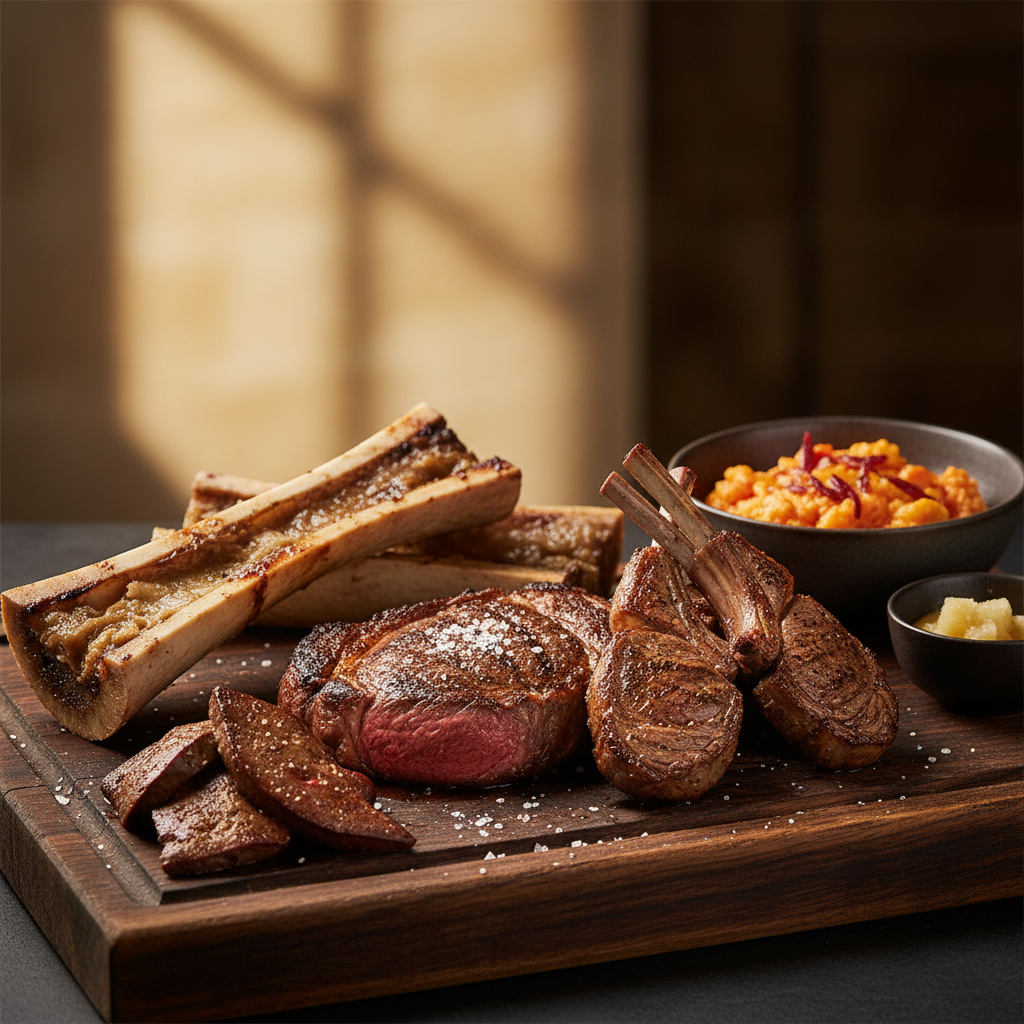
Embarking on the carnivore diet as a beginner often sparks concerns about micronutrients—or micros, as they're commonly called in nutrition circles. Many fear deficiencies without plants, but this couldn't be further from the truth. Animal foods are packed with bioavailable vitamins and minerals, making them superior sources for building a nutrient-dense plate. In this comprehensive food-guide, we'll explore the best micronutrient sources on the carnivore diet, from organ meats to fatty fish and eggs, debunk myths, and share practical tips to optimize your nutrition effortlessly.
Why Micronutrients Matter on the Carnivore Diet
For beginners diving into carnivore, understanding micros is key. Micronutrients include vitamins (A, B-complex, C, D, E, K) and minerals (zinc, magnesium, selenium, iron, copper) essential for energy, immunity, hormone balance, and overall health. Unlike plant-based diets where bioavailability is low due to anti-nutrients like oxalates and phytates, carnivore foods deliver these nutrients in highly absorbable forms.
Common myths claim carnivores lack vitamin C or fiber, but animal sources provide ample C in fresh meat and organs, and fiber isn't necessary for gut health on this diet. Studies, like those from Dr. Paul Saladino and Shawn Baker, show carnivores thrive with elevated nutrient levels. This food-guide empowers you to prioritize nutrient density without plants.
Key Benefits for Beginners
- Bioavailability: Heme iron from meat absorbs 15-35% vs. 2-20% from plants.
- Synergy: Fat-soluble vitamins (A, D, E, K2) pair perfectly with animal fats.
- Satiety: Nutrient-dense foods curb cravings naturally.
Incorporate these insights to build confidence in your carnivore journey.
Organ Meats: The Micronutrient Powerhouses
Organ meats, often called "nature's multivitamin," top our food-guide for micros. They're affordable, versatile, and denser in nutrients than muscle meat. For beginners, start small to overcome the "taste barrier," but their benefits are unmatched.
Beef Liver: Vitamin A and B-Vitamin King
Just 100g of beef liver delivers over 600% DV for vitamin A (retinol, crucial for vision and immunity), 3,000% for B12 (energy and nerve health), and heaps of folate, riboflavin, and copper. It's also rich in iron and zinc. Practical tip: Pan-fry thin slices with butter twice weekly; mask flavor with bacon if needed.
Heart and Kidney: CoQ10, Selenium, and More
Beef heart provides CoQ10 for heart health, taurine for eyes, and B12. Kidney shines with selenium (antioxidant), riboflavin, and vitamin A. A 4oz serving covers daily needs. Actionable advice: Slow-cook heart stews or grill kidneys for barbecues.
Pro tip: Source grass-fed organs from local farms or online for optimal omega-3s and fewer toxins.
Fatty Fish: Omega-3s and Essential Minerals
Fatty fish like salmon, sardines, and mackerel are carnivore staples for micros. They combat inflammation with EPA/DHA and supply iodine, selenium, and vitamin D—vital for thyroid and bone health.
Salmon and Mackerel: Vitamin D and Iodine Sources
Wild salmon offers 500-1,000 IU vitamin D per 100g (mood and immunity booster), plus B12, selenium, and potassium. Mackerel packs iodine for metabolism. Beginners tip: Eat skin-on, canned in water for convenience; aim for 2-3 servings weekly.
Sardines: Calcium and Budget-Friendly Option
Whole sardines with bones provide 300mg+ calcium per can, vitamin D, and B12. They're a perfect food-guide entry for bone health without dairy. Grill or eat straight from the tin.
Omega-3s enhance fat-soluble vitamin absorption, making fatty fish a cornerstone for nutrient-dense plates.
Eggs: The Versatile Multivitamin
Eggs are a beginner's dream—cheap, easy, and loaded with micros. Pasture-raised yolks brim with choline (brain health), lutein/zeaxanthin (eyes), and vitamins A, D, E, K2, B12.
Yolks vs. Whites: Don't Skip the Gold
Yolks hold 90% of nutrients: 250 IU vitamin D, 150mcg selenium, biotin. Whites add protein. Practical tip: Soft-boil 4-6 daily or make omelets with cheese. For variety, pickle yolks.
Eggs support hormone production and detoxification, debunking cholesterol myths with their healthy fats.
Red Meats, Bone Marrow, and Connective Tissues
Steaks, ground beef, and roasts supply heme iron, zinc, B3 (niacin), and B6. Bone marrow and cartilage add collagen, glycine, and minerals like phosphorus.
Optimizing Red Meat for Micros
Ribeye or NY strip: 5mg iron, 7mg zinc per 100g. Marrow: vitamins A, E, K2. Actionable advice: Roast bones for broth (magnesium, calcium); eat nose-to-tail for completeness.
Beginners: Choose fatty cuts for satiety and nutrient synergy.
Dairy, Shellfish, and Other Staples
Not strict carnivore? Hard cheeses, butter, and yogurt add calcium, K2, probiotics. Shellfish like oysters explode with zinc (50mg/100g), copper, B12, and iron.
Oysters and Shrimp: Zinc and Iodine Champs
Six oysters meet 100% zinc DV (immunity, testosterone). Shrimp offers selenium and astaxanthin. Tip: Raw oysters weekly; raw cheese for beginners avoiding lactose.
These round out your food-guide for comprehensive coverage.
Building a Nutrient-Dense Plate: Tips and Myth-Busting
Create plates: 40% organs/fish, 40% muscle meat/eggs, 20% fat/dairy. Track with apps like Cronometer initially.
Practical Weekly Meal Plan for Beginners
- Monday: Liver patties, eggs.
- Tuesday: Salmon, marrow butter.
- Wednesday: Steak, oysters.
- Thursday: Heart stir-fry, sardines.
- Friday: Egg omelet, cheese.
- Weekend: Grill variety.
Debunking Deficiency Myths
Vitamin C: Fresh meat has 1-2mg/100g, plus carnitine recycles it. No scurvy in Inuit diets.
Electrolytes: Salt food liberally; bone broth helps.
Fiber: Unnecessary; meat heals gut lining.
Optimization tips: Eat fresh, nose-to-tail, supplement if needed (liver capsules for travel). Test bloodwork every 6 months.
Conclusion: Thrive on Carnivore with Confidence
The carnivore diet isn't just sustainable—it's optimal for micros. By prioritizing organ meats, fatty fish, eggs, and variety, you'll build a nutrient-dense plate debunking all myths. Beginners, use this food-guide to start strong, listen to your body, and enjoy vibrant health. Join the carnivore revolution today!
Frequently Asked Questions
Related Glossary Terms
Join the Community
Weekly recipes & tips

Join the Carnivore Community
Get weekly recipes, tips, and success stories delivered to your inbox.
No spam, ever. Unsubscribe anytime.