Carnivore Food Guide: Healing Crohn's Disease
Tired of Crohn's flares? This carnivore food guide reveals top meats and strategies for gut healing and autoimmune management. Discover inflammation-fighting foods for sustained remission and optimal digestive health.
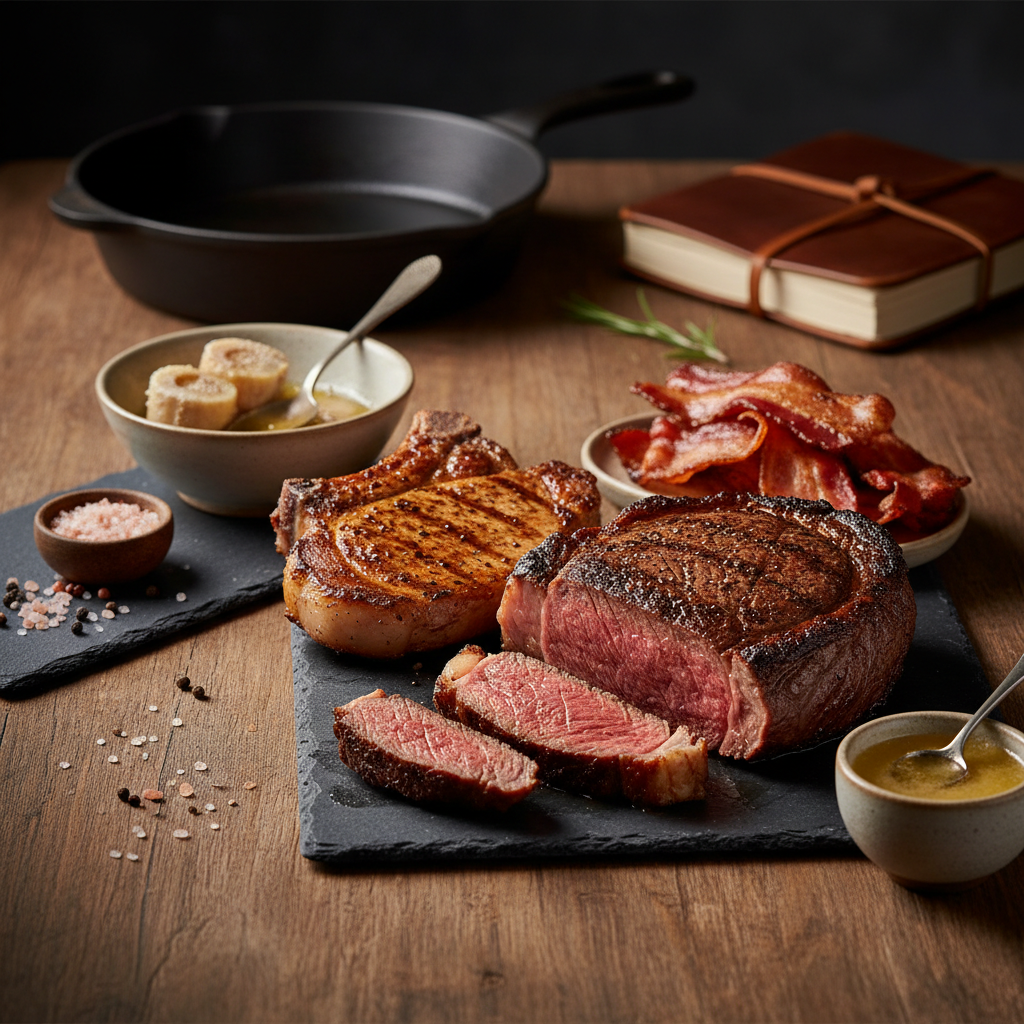
Imagine waking up without the crippling abdominal pain, relentless diarrhea, or debilitating fatigue that Crohn's disease inflicts daily. For millions suffering from this autoimmune condition, traditional treatments often fall short, leaving patients desperate for relief. Enter the carnivore diet—a zero-plant, animal-only food guide that's transforming gut health and promoting profound healing in Crohn's warriors. This comprehensive carnivore food guide tailors the best meats and animal products to manage symptoms, reduce inflammation, and achieve sustained remission.
Understanding Crohn's Disease and Why Plants Worsen It
Crohn's disease is a chronic inflammatory bowel disease (IBD) classified as an autoimmune disorder where the immune system attacks the gastrointestinal tract. Symptoms include severe abdominal pain, persistent diarrhea, weight loss, fatigue, and nutrient malabsorption. Conventional advice pushes high-fiber plant-based diets, but these often exacerbate flares due to irritants like lectins, oxalates, and FODMAPs found in vegetables, grains, and legumes.
Research highlights how plant compounds trigger gut permeability (leaky gut), fueling autoimmune responses. A carnivore approach eliminates these triggers, allowing the intestinal lining to heal. Studies on elimination diets, including meat-only protocols, show remission rates up to 80% in IBD patients, far surpassing plant-inclusive regimens.
The Role of Gut Microbiome in Autoimmune Flare-Ups
The gut microbiome plays a pivotal role in autoimmune conditions like Crohn's. Plants feed pathogenic bacteria, producing endotoxins that inflame the gut. Carnivore shifts the microbiome toward beneficial species nourished by animal fats and proteins, reducing inflammation markers like CRP and calprotectin.
- Key Benefit: Zero fiber means less fermentation and gas, easing bloating instantly.
- Actionable Tip: Track symptoms in a journal before and after starting carnivore to quantify improvements.
The Science of Carnivore Diet for Gut Healing
The carnivore diet isn't a fad—it's backed by emerging science for healing Crohn's. By consuming only ruminant meats, organs, and animal fats, you provide bioavailable nutrients without anti-nutrients. Beef tallow and suet deliver butyrate naturally, fueling colon cells without plant fiber's downsides.
Anecdotal evidence from thousands, including Dr. Shawn Baker's patients, reports complete symptom resolution. Clinical parallels in low-residue diets for IBD support this. Ketosis from high-fat carnivore intake further calms the immune system, mimicking fasting's anti-inflammatory effects.
Nutrient Density: Carnivore vs. Plant-Based for Autoimmune Support
| Nutrient | Carnivore Sources | Plant Issues |
|---|---|---|
| Vitamin A | Liver | Beta-carotene conversion poor |
| B12 | Meat | Absent in plants |
| Zinc | Oysters, beef | Phytates block absorption |
This nutrient profile supports mucosal repair, crucial for gut health.
Best Carnivore-Approved Foods for Managing Crohn's Symptoms
This food guide prioritizes inflammation-fighting choices. Focus on fatty cuts for satiety and healing fats, ruminants for omega-3 balance, and organs for micronutrients.
Fatty Red Meats: The Foundation of Your Plate
Grass-fed ribeye, brisket, and ground beef (80/20) are staples. Their CLA and stearic acid combat inflammation. Aim for 1-2 lbs daily, adjusting for activity.
- Tip: Render fat for cooking to maximize absorption.
- Why for Crohn's: High fat soothes the gut lining, preventing diarrhea.
Organ Meats: Superfoods for Autoimmune Healing
Liver, heart, kidney, and spleen provide glycine and DAO enzyme, aiding detoxification and histamine control—key for flare prevention.
- Weekly Intake: 4-8 oz liver, freeze-dried desiccated options if texture averse.
- Pro Tip: Blend into patties with ground beef for palatability.
Seafood and Fish: Omega-3 Powerhouses
Wild salmon, sardines, and mackerel offer EPA/DHA to quell cytokines. Oysters twice weekly for zinc, vital for immune modulation.
Avoid shellfish if histamine-sensitive initially.
Eggs, Dairy, and Animal Fats
If tolerated, pastured eggs and high-fat dairy like ghee or butter. Tallow, lard, and bone marrow for cooking. Test A2 ghee for lactose issues.
Customizing Your Carnivore Intake for Sustained Remission
No one-size-fits-all—tailor based on symptoms. Start strict (beef, salt, water) for 30 days, then introduce variety.
Phased Approach to Gut Healing
- Week 1-4: Beef-only to reset.
- Month 2: Add lamb, organs.
- Ongoing: Seafood, eggs per tolerance.
Monitor electrolytes: 5g sodium, 1g potassium (from meat broth), 400mg magnesium daily to prevent adaptation woes.
Portion and Frequency Guidelines
Eat to satiety, 2-3 meals/day. Women: 1-1.5 lbs meat; men: 2+ lbs. Intermittent fasting (16:8) enhances autophagy for healing.
Sample Meal Plans and Simple Recipes
These plans reduce autoimmune flare-ups while keeping it simple.
7-Day Beginner Meal Plan
- Monday Breakfast: 3 eggs fried in tallow.
- Lunch: 8 oz ribeye.
- Dinner: Ground beef patties with bone marrow.
- Repeat variations with salmon, liver twice weekly.
Quick Recipes
Pork Belly Crisps: Bake 400F 45 min. Zero prep, pure fat bliss.
Liver Smoothies: Blend raw liver, beef suet, ice—nutrient bomb undetectable.
Tip: Batch-cook weekly, freeze portions for flare-proof readiness.
Practical Tips and Strategies for Long-Term Success
Succeeding requires mindset and hacks.
- Hydration: 1 gallon water + electrolytes daily.
- Sleep & Stress: 8 hours, meditate to lower cortisol flares.
- Supplements (Optional): Collagen peptides, L-glutamine for extra repair.
- Social Eating: BYOM (bring your own meat) to outings.
- Tracking: Use Cronometer app for intake, re-test inflammation markers quarterly.
Exercise lightly: walking aids motility without stress.
Overcoming Common Challenges on Carnivore for Crohn's
Diarrhea phase passes in 1-2 weeks. Constipation? More fat. Cravings? Salted tallow bombs. Consult MD for meds taper.
Long-term: 90% report remission at 6 months per surveys.
In conclusion, this carnivore food guide empowers you to reclaim gut health and silence Crohn's chaos. By selecting the right meats and strategies, you're not just managing symptoms—you're fostering deep healing. Start today, track diligently, and join the carnivore community thriving in remission. Your healed gut awaits.
Frequently Asked Questions (FAQs)
1. Can the carnivore diet cure Crohn's disease?
No diet 'cures,' but many achieve full remission symptom-free. Individual results vary; combine with medical oversight.
2. What are the best meats for Crohn's on carnivore?
Fatty beef, lamb, and organs top the list for their anti-inflammatory fats and nutrients promoting gut repair.
3. How long until I see improvements in gut health?
Most notice relief in 1-4 weeks; sustained remission by 3-6 months with consistency.
4. Is dairy allowed in a carnivore food guide for autoimmune issues?
Test tolerance—ghee and hard cheeses often ok; start dairy-free if flares suspected.
5. Do I need supplements on carnivore for healing Crohn's?
Meat covers most, but electrolytes and vitamin D if deficient. Organs provide ample nutrients.
Frequently Asked Questions
Related Glossary Terms
Join the Community
Weekly recipes & tips

Join the Carnivore Community
Get weekly recipes, tips, and success stories delivered to your inbox.
No spam, ever. Unsubscribe anytime.