How to Make Your Own Tallow: The Ultimate Guide to Healthy Fat
Unlock the power of homemade tallow with our complete tutorial on rendering beef suet. Ideal for carnivore meal-prep and hitting high-fat macros, this guide covers sourcing, methods, storage, and recipes.
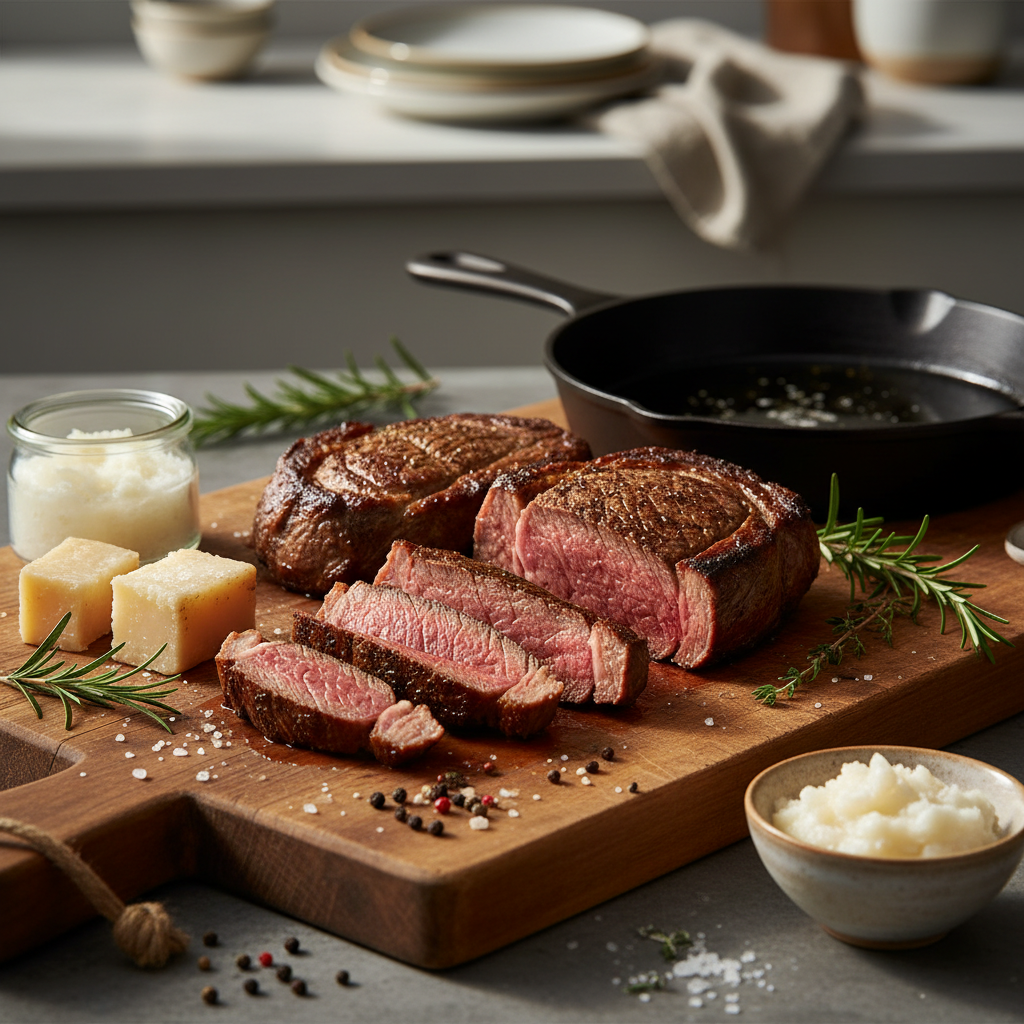
In the world of carnivore and keto diets, tallow stands out as a powerhouse of healthy fats, offering incredible flavor, stability at high temperatures, and nutrient density that supports your macros perfectly. If you're diving into meal-prep for the week or tracking your high-fat, zero-carb intake, learning how to make your own tallow at home is a game-changer. This ultimate guide walks you through every step—from sourcing premium suet to rendering methods, storage tips, and creative uses in cooking—empowering you to ditch processed oils and embrace ancestral eating.
What is Tallow and Why Render It at Home?
Tallow is rendered beef fat, primarily derived from suet, the hard fat around the kidneys and loins of cattle. Unlike lard from pigs or butter from cows' milk, tallow boasts a higher smoke point (around 400°F or 204°C), making it ideal for frying, roasting, and searing without producing harmful free radicals. On a carnivore diet, tallow aligns seamlessly with your macros, delivering pure saturated and monounsaturated fats loaded with conjugated linoleic acid (CLA), vitamins A, D, E, and K, and stearic acid that supports mitochondrial function.
Store-bought tallow often contains additives or comes from grain-fed sources lacking the nutrient profile of grass-fed beef. Rendering at home ensures purity, cost savings (as low as $1-2 per pound), and customization for meal-prep. Imagine batch-rendering pounds of tallow to fuel your weekly steak fries or pemmican snacks. Health benefits include improved skin health, better hormone balance, and sustained energy without carb crashes. Studies, like those from the Journal of Nutrition, highlight how animal fats like tallow outperform seed oils in stability and bioavailability.
Sourcing the Best Suet for High-Quality Tallow
The foundation of great tallow starts with quality suet. Opt for grass-fed, grass-finished beef suet from local butchers, farmers' markets, or online suppliers like TruBeef or US Wellness Meats. Look for creamy white, dry fat without blood or meat bits—kidney or leaf fat yields the cleanest render.
Practical Tips for Sourcing:
- Call ahead to butchers; suet is often free or cheap ($1-3/lb) as it's a byproduct.
- Avoid supermarket 'beef fat' trimmings; they include softer fats leading to greasy tallow.
- Prioritize organic or regenerative farms for maximum omega-3s and CLA.
- Buy in bulk (10-20 lbs) for meal-prep efficiency; freeze extras until rendering day.
Pro tip: Build relationships with ranchers via apps like EatWild.com for direct access. Fresh suet should be used within days or frozen for months, preserving its pristine macro profile of nearly 100% fat with zero carbs or proteins.
Essential Tools and Equipment for Rendering Tallow
You don't need fancy gear—a basic kitchen setup suffices for 5-10 lbs of suet. Key items include:
- Large stockpot or Dutch oven (6-8 qt for stove-top).
- Slow cooker or oven-safe dish for hands-off methods.
- Cheesecloth or fine mesh strainer for straining impurities.
- Blender or food processor (optional, for chopping suet).
- Glass jars or silicone molds for storage.
- Wooden spoon, thermometer, and labels.
Invest in heat-safe glass jars (Mason or Ball) for long-term storage. Total cost under $50 if you shop thriftily. Sanitize everything to prevent off-flavors, ensuring your tallow remains a staple for macro-friendly cooking.
Budget vs. Premium Options
For beginners, a $20 slow cooker works wonders. Upgrade to a thermometer for precision, monitoring temps below 250°F to avoid scorching. These tools make rendering foolproof, perfect for weekly meal-prep sessions.
Step-by-Step Guide to Rendering Tallow
Rendering transforms raw suet into golden liquid gold. Prep time: 15 mins; render time: 4-12 hours. Yield: 1 lb suet = ~.75 lb tallow.
Method 1: Stove-Top Rendering (Fastest)
- Chop suet into 1-inch cubes (or pulse in blender).
- Place in pot over low heat (200-220°F). Add a splash of water (1/4 cup per 5 lbs) to prevent sticking.
- Stir occasionally; fat melts, cracklings (bits) appear after 3-6 hours.
- Strain through cheesecloth into jars when cracklings are golden-brown.
Actionable advice: Never exceed medium-low heat; patience yields whiter tallow.
Method 2: Oven Rendering (Set-It-and-Forget-It)
- Preheat oven to 225°F. Spread chopped suet in roasting pan.
- Bake 8-12 hours, stirring hourly first 2 hours.
- Strain as above.
Ideal for multitasking during meal-prep.
Method 3: Slow Cooker (Easiest for Beginners)
- Low setting (around 200°F), 10-12 hours. No water needed.
- Strain midway if needed.
Tip: Wet rendering (with water) reduces smell; dry for purer flavor. Cool strained tallow slowly for firmer texture.
How to Store Your Homemade Tallow for Longevity
Proper storage keeps tallow shelf-stable for months. Room temp (below 75°F): 6-12 months in airtight glass. Fridge: 1-2 years. Freezer: indefinite.
Storage Tips:
- Pour hot tallow into sterilized jars; leave 1-inch headspace.
- Label with date and source.
- For meal-prep, portion into ice cube trays—pop out cubes for single-use frying.
- Check for rancidity: sniff for off odors; discard if soured.
Pro hack: Strain twice for ultra-clear tallow that scoops like butter. Track macros easily—1 tbsp = 115 calories, 13g fat.
Delicious Ways to Use Tallow in Carnivore Cooking
Tallow elevates every dish. Its beefy richness enhances flavors while hitting fat macros.
- Frying & Searing: Perfect for ribeyes or potatoes (if keto). High smoke point prevents oxidation.
- Baking: Swap butter in carnivore bread or biscuits.
- Meal-Prep Magic: Roast veggies or meats in bulk; tallow keeps them moist for days.
- Sauces & Dressings: Whip with herbs for compound butter.
- Pemmican: Mix with dried meat for portable snacks.
Recipe: Tallow-Fried Eggs—Heat 1 tbsp tallow, crack eggs, baste for crispy edges. Macros per serving: 200 cal, 18g fat. Use in bone broth or coffee for bulletproof boosts. Experiment with infusions: garlic tallow for steak nights.
Troubleshooting Common Rendering Issues
Problems? Solutions here:
- Grainy texture: Overheated—lower temp next time.
- Smoky smell: Too high heat; use wet method.
- Soft/greasy: Wrong fat source—stick to suet.
- Short shelf life: Moisture trapped; strain hotter/drier.
Actionable: Test small batches first. pH-neutral tallow lasts longest.
Conclusion
Mastering homemade tallow unlocks a world of flavorful, nutrient-dense cooking that supercharges your carnivore journey. From sourcing suet to perfect renders and meal-prep integration, this guide equips you for success. Embrace tallow's healthy fats, optimize your macros, and taste the difference of real food. Start rendering today—your body will thank you!
Frequently Asked Questions (FAQs)
What makes tallow healthier than vegetable oils?
Tallow is stable, rich in vitamins, and free of inflammatory PUFAs found in seed oils. It supports carnivore macros with pure animal fats.
How long does homemade tallow last?
Room temp: 6-12 months; fridge: 1-2 years; freezer: forever if sealed properly.
Can I use tallow for non-cooking purposes?
Yes! It's excellent for skincare, soap-making, or shoe polish due to its moisturizing properties.
Is grass-fed suet necessary?
Not essential, but it provides superior nutrients like higher CLA and omega-3s for better macros.
What's the best rendering method for beginners?
Slow cooker—low maintenance, consistent results perfect for meal-prep days.
Frequently Asked Questions
Related Glossary Terms
Join the Community
Weekly recipes & tips

Join the Carnivore Community
Get weekly recipes, tips, and success stories delivered to your inbox.
No spam, ever. Unsubscribe anytime.