How to Properly Season Meat Without Spices or Seed Oils
Discover how to season meat purely with salt, dry brining, and animal fats on a strict carnivore diet. Boost flavor naturally while streamlining meal-prep. No spices or seed oils needed for restaurant-quality results.
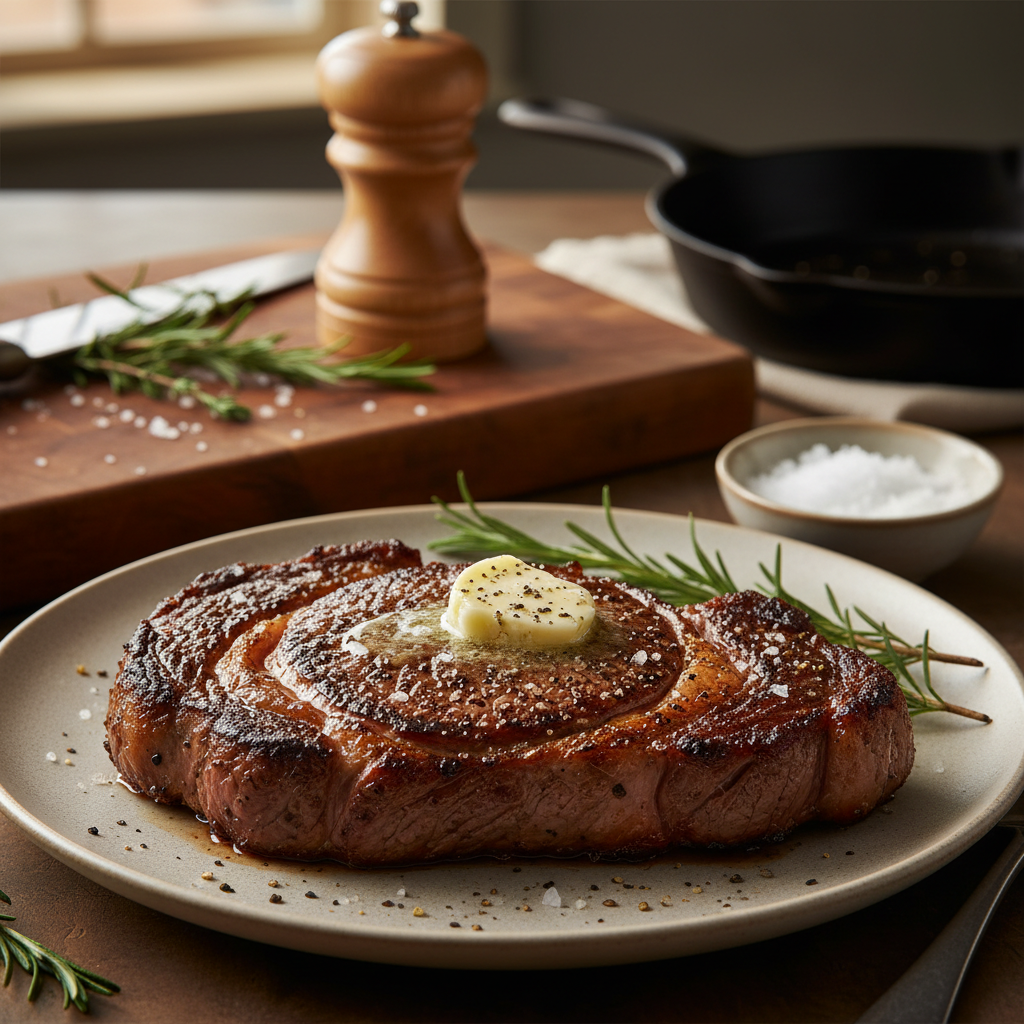
On a strict carnivore diet, where plants, spices, and seed oils are off-limits, achieving mouthwatering flavor from meat alone might seem challenging. But fear not—mastering simple, animal-based techniques like strategic salting, dry brining, and cooking with rendered animal fats can transform even the plainest cuts into juicy, flavorful masterpieces. This guide dives deep into herb-free, spice-free methods to season and cook meat perfectly, with a focus on meal-prep efficiency for busy carnivores.
Why Proper Seasoning is Crucial on a Carnivore Diet
Meat is the cornerstone of the carnivore diet, providing all essential nutrients without the need for carbohydrates or plant compounds. However, without spices or seed oils, flavor comes from enhancing the meat's natural taste through precise techniques. Proper seasoning prevents bland meals and maximizes nutrient absorption—salt, for instance, draws out moisture to concentrate flavors while tenderizing proteins.
Studies on low-carb diets show that well-seasoned meats improve satiety and adherence. On carnivore, this means relying on salt and heat to break down proteins and fats, creating the Maillard reaction for that savory crust. Skipping seed oils avoids inflammatory omega-6s, opting instead for stable animal fats.
The Science Behind Carnivore Flavor Enhancement
Flavor in meat arises from amino acids, fats, and minerals reacting under heat. Salt amplifies umami by inhibiting bitter tastes and promoting moisture loss. Dry brining, a pre-salting method, allows salt to penetrate deeply, resulting in even seasoning without surface-only application.
- Umami Boost: Salt highlights glutamates naturally present in beef and lamb.
- Tenderization: Osmosis pulls juices to the surface, which reabsorb with salt for juicier results.
- Crust Formation: High-heat cooking with animal fats creates caramelization without burning.
Mastering Salt: The Ultimate Carnivore Seasoning
Salt is your MVP on carnivore—no substitutes needed. Use high-quality sea salt or Redmond Real Salt for minerals that complement meat's profile. Avoid iodized table salt if possible, as it can impart a metallic taste.
Choosing the Right Salt for Meat
Coarse kosher salt dissolves slowly, ideal for dry brining. Fine sea salt works for quick seasoning. Per pound of meat, use 1-1.5% salt by weight for precision—e.g., 1 teaspoon per pound of steak.
Practical Tip: Weigh your salt with a kitchen scale for consistency, especially during meal-prep sessions where you're batching multiple cuts.
Salt Application Techniques
- Surface Salting: Sprinkle evenly 30-60 minutes before cooking; pat dry for crisp exterior.
- Pre-Salting: Salt and refrigerate uncovered overnight for deeper penetration.
- Injection Salting: For large roasts, use a meat injector with saline solution (1 tbsp salt per cup water).
Experiment with timing: Shorter for tender cuts like ribeye, longer for tougher ones like brisket.
Dry Brining: The Secret to Juicy, Flavorful Meat
Dry brining is a game-changer for carnivores—simply salt the meat and let it rest uncovered in the fridge. This method draws out moisture, dissolves salt into it, and allows reabsorption for uniform seasoning and tenderness.
How to Dry Brine Different Cuts
Steaks (Ribeye, NY Strip): 1 tsp salt per pound, 1-24 hours. Rinse optional, pat dry, sear.
Chicken: 1 tbsp salt per whole bird, 24-48 hours. Skin crisps beautifully.
Pork Chops: ¾ tsp per pound, 12-24 hours. Enhances juiciness without brining liquid.
- Pro Tip: Place on a wire rack over a tray to allow airflow, preventing sliminess.
- Meal-Prep Hack: Dry brine 5-10 pounds of meat Sunday night for the week's proteins.
Benefits Over Wet Brining
Dry brining avoids water dilution, concentrating flavors. It's perfect for meal-prep as brined meat stores well frozen. Post-brine, meat loses 5-10% weight in moisture but gains tenderness.
Cooking with Animal Fats: No Seed Oils Required
Seed oils smoke at low temps and oxidize, ruining flavor. Switch to tallow, lard, ghee, or duck fat—stable up to 400°F+ with rich, beefy notes.
Rendering and Storing Animal Fats
Render tallow: Trim beef fat, simmer low 4-6 hours, strain. Store in jars fridge 6 months or freezer indefinitely. Ideal for meal-prep bulk cooking.
- Tallow: Neutral, high smoke point for searing.
- Lard: Porky flavor for chops.
- Ghee: Buttery for poultry.
Cooking Methods Using Animal Fats
Pan-Searing: 2 tbsp fat per steak, medium-high heat, 3-4 min per side.
Roasting: Coat roasts in fat, 425°F convection for crust.
Air Frying: Brush with lard, 400°F for crispy skin-on chicken.
Tip: Baste with pan fats during cooking for self-seasoning.
Meal-Prep Strategies for Carnivore Seasoning Success
Meal-prep is essential for carnivore adherence. Batch-season meats early in the week to save time.
Weekly Meal-Prep Workflow
- Sunday Prep: Dry brine 10lbs mixed cuts (steaks, ground beef patties, roasts).
- Cook in Batches: Sear steaks, slow-cook roasts in tallow.
- Portion and Store: Cool, vacuum-seal, fridge 4 days or freeze.
- Reheat Right: Sous-vide or low oven to retain juices.
Incorporate variety: Brine beef one day, pork next. This keeps flavors exciting without spices.
Storage and Reheating Tips
- Use glass containers to avoid plastic leaching.
- Reheat in animal fat to refresh flavor.
- Freeze pre-brined meat; thaw in fridge for best texture.
Advanced Techniques for Next-Level Flavor
Beyond basics, sear aggressively for Maillard, rest meats 5-10 min post-cook, and use bone-in cuts for marrow depth.
High-Heat Searing and Reverse Searing
Reverse sear: Oven low (250°F) to 10°F under target, then tallow-sear 1 min/side. Perfect for thick cuts.
Utilizing Organ Meats and Bones
Season liver lightly with salt, quick-pan fry in butter. Simmer bones for fat rendering—double-duty flavor.
Pro: Organs need less salt due to natural intensity.
Common Mistakes to Avoid in Carnivore Seasoning
Over-salting dries meat; under-salting bores it. Always measure. Don't rinse dry-brined meat unless oversalted—pat dry instead. Avoid overcrowding pans; steam kills crust.
- Mistake: Cooking straight from fridge—temper first.
- Mistake: Skipping rest time—juices escape.
Track your salts per cut in a journal for perfection.
Conclusion: Elevate Your Carnivore Meals Today
With salt, dry brining, and animal fats, you can season meat exquisitely on carnivore—no spices or seed oils needed. These methods not only boost flavor but streamline meal-prep for sustainable eating. Start with one technique this week, like dry brining steaks, and watch your satisfaction soar. Embrace the purity of animal-based seasoning for health and taste that rivals any gourmet meal.
Frequently Asked Questions (FAQs)
1. How much salt for dry brining?
1-1.5% of meat weight (e.g., 1 tsp per lb). Adjust down for naturally salty meats like bacon.
2. Can I dry brine frozen meat?
Thaw first in fridge for even penetration. Pre-brine thawed portions for meal-prep.
3. What's the best animal fat for beginners?
Tallow—easy to render, neutral flavor, high smoke point.
4. Does dry brining work for ground meat?
Yes, mix salt in 1 hour before forming patties. Enhances burgers.
5. How do I store rendered fats?
Glass jars in fridge (6 months) or freezer (1+ year). Strain twice for clarity.
Frequently Asked Questions
Related Glossary Terms
Join the Community
Weekly recipes & tips

Join the Carnivore Community
Get weekly recipes, tips, and success stories delivered to your inbox.
No spam, ever. Unsubscribe anytime.