Is Fruit Healthy? Why Some Carnivores Include It (And Others Don't)
Fruit divides carnivores: strict meat-only or seasonal additions? Explore ancestral evidence, fructose facts, and practical tips in this comprehensive food guide. Decide what's best for your body.
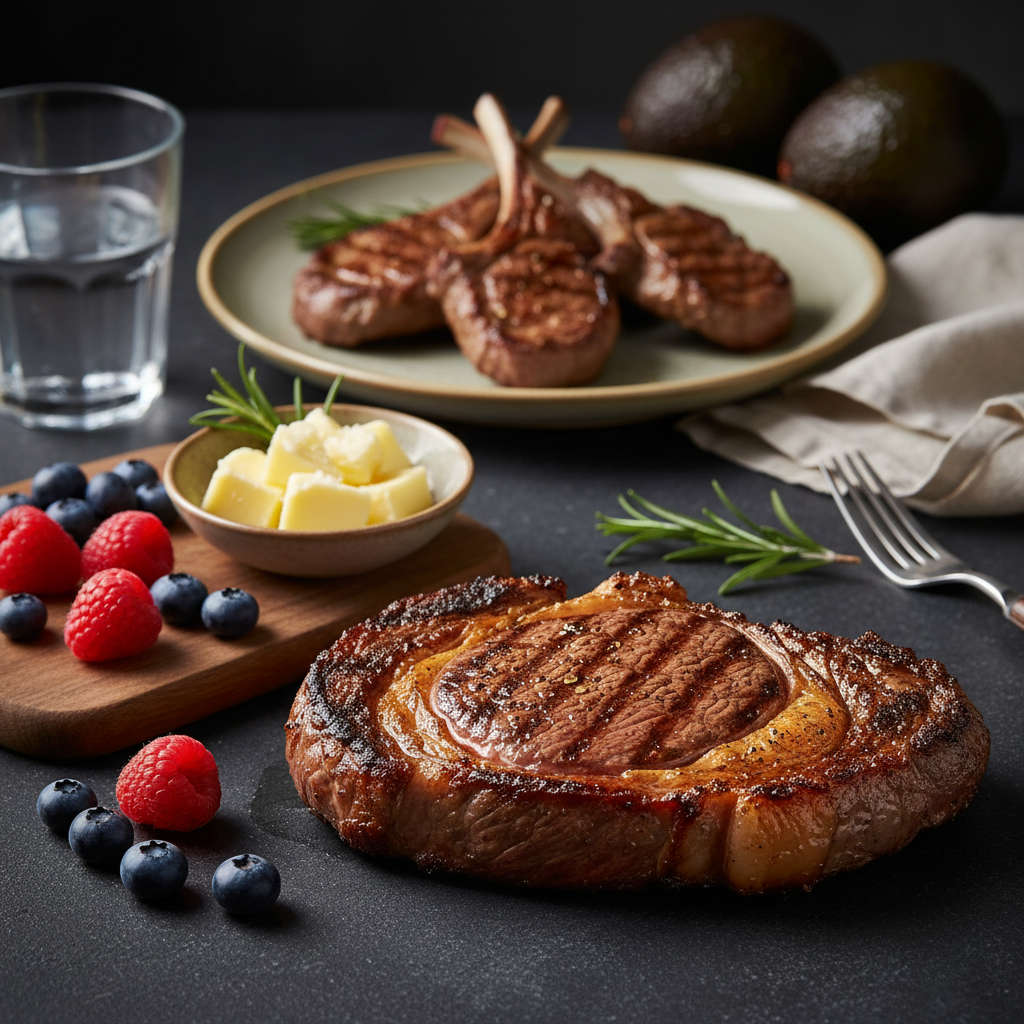
Ever wondered if that juicy berry or crisp apple has a place on your carnivore plate? In the world of the carnivore diet, fruit is one of the hottest debate topics. While strict carnivores stick to animal products only, others experiment with occasional fruit for variety, ancestral reasons, or micronutrient boosts. This carnivore food guide dives deep into the pros, cons, and science behind including fruit—or skipping it entirely.
Understanding the Carnivore Diet Fundamentals
The carnivore diet is a zero-carb, animal-based eating approach that eliminates all plant foods, focusing on meat, fish, eggs, and dairy. Popularized by advocates like Dr. Shawn Baker and Dr. Paul Saladino (in his earlier phases), it's praised for simplifying nutrition, reducing inflammation, and promoting satiety. But not all carnivores are purists. Some adopt a 'carnivore-ish' style, incorporating low-toxin fruits seasonally. Why the split? It boils down to philosophy, health goals, and interpretation of human evolution.
At its core, strict carnivore argues plants contain anti-nutrients like oxalates and lectins that irritate the gut. Fruit, though lower in these, packs sugar—fructose specifically—which some view as a metabolic saboteur. Yet, fruit-inclusive carnivores counter that occasional, ripe, local fruit mimics ancestral eating. This food guide will unpack both sides with evidence-based insights.
Strict vs. Flexible Carnivore Approaches
- Strict Carnivore: Beef, organs, salt, water. No plants ever.
- Animal-Based (Fruit-Inclusive): 90% animal foods + low-sugar fruits like berries.
Choosing between them depends on your symptoms. Autoimmune issues? Go strict. Craving variety? Test fruit mindfully.
Ancestral Arguments: Did Our Ancestors Eat Fruit?
To answer if fruit is healthy, we look back 2.3 million years. Human ancestors were opportunistic omnivores, thriving on hunted meat but scavenging seasonal fruits when available. Archaeological evidence from sites like Olduvai Gorge shows early hominids consumed wild figs and berries alongside marrow-rich bones.
Paleolithic diets varied by climate. In temperate zones, fruit was scarce—available only in summer bursts. This 'feast and famine' pattern may have selected for metabolic flexibility, allowing fat storage from fructose during plenty and ketosis during scarcity. Modern carnivores like Paul Saladino argue reintroducing fruit honors this heritage, preventing nutrient deficiencies from long-term restriction.
Evidence from Hunter-Gatherer Tribes
Contemporary groups like the Hadza in Tanzania eat 10-20% of calories from fruit seasonally, yet exhibit low obesity and diabetes rates. Their fruits are small, fibrous, and low-sugar compared to today's hybrids. A 2017 study in American Journal of Clinical Nutrition found Hadza diets averaged 40g carbs daily from honey and fruit—far below SAD levels but enough for gut health.
Inuit, conversely, ate zero fruit, relying on sea mammals. Both thrived, suggesting adaptability. For carnivores, this implies fruit isn't essential but tolerable if ancestral-style.
The Sugar Content Debate: Fructose on Carnivore
Fruit's Achilles heel is fructose, metabolized solely by the liver. Unlike glucose, excess fructose forms fat via de novo lipogenesis, potentially raising triglycerides and insulin resistance. A landmark 2009 study by Dr. Robert Lustig highlighted fructose's 'poison' effects in high doses, akin to HFCS in soda.
But context matters. Whole fruit pairs fructose with fiber, slowing absorption. A medium apple has 19g sugar but 4g fiber; berries are even better at 5-7g sugar per cup. On carnivore, where baseline carbs are zero, 20g might not derail ketosis. Blood tests from fruit-inclusive carnivores often show stable glucose (under 90mg/dL) and ketones (0.5-3mmol/L).
Comparing Fruit Sugars to Other Carbs
| Food | Sugar (g/100g) | Fiber (g/100g) |
|---|---|---|
| Strawberries | 4.9 | 2.0 |
| Banana | 12.2 | 2.6 |
| Soda (12oz) | 39 | 0 |
Carnivores avoid high-fructose fruits like bananas, opting for berries. Practical tip: Limit to 50g carbs/day from fruit to stay keto-adapted.
Seasonal Eating: Nature's Carnivore Food Guide
Ancestral fruit was hyper-seasonal—ripe for weeks, then gone. This scarcity prevented overconsumption. Today, global shipping delivers year-round perfection, spiking sugar intake. Strict carnivores skip it entirely; inclusives mimic seasons with local, in-season picks.
Summer strawberries or autumn apples provide vitamin C (lost in cooking meat) and antioxidants. A 2020 review in Nutrients linked berry consumption to reduced oxidative stress, beneficial post-meat-heavy meals. Actionable advice: Shop farmers' markets for organic, blemished fruit—cheaper and more nutrient-dense.
Best Fruits for Carnivores
- Berries (strawberries, blueberries): Lowest sugar, highest antioxidants.
- Avocado: Technically fruit; fatty, low-carb staple.
- Lemons/Limes: For flavoring water/meat; negligible carbs.
- Avoid: Tropicals like mango/pineapple—high sugar.
Tip: Freeze berries for off-season use, preserving nutrients without breeding.
What the Strict Carnivore Community Says
Icons like Shawn Baker (Zero Carb Zen) report thriving for years on meat alone—no fruit needed. Testimonials on Reddit's r/carnivore flood with 'healing stories': eczema cleared, energy soared sans plants. They cite oxalates in fruit skins causing kidney stones, lectins inflaming guts.
Critics of fruit point to n=1 experiments: IBS flares after apples, uric acid spikes from fructose. A 2022 carnivore survey (n=2,000) found 85% strict adherents had no deficiencies, debunking scurvy fears.
Fruit-Inclusive Carnivore Perspectives
Dr. Saladino evolved to 'animal-based,' adding honey/fruit for dopamine precursors like tyrosine. Listeners report sustained mood/libido. Community forums like Carnivore Aurelius discuss 'lion diet' (meat only) vs. flexible for athletes needing glycogen.
Consensus: Test personally. 30-day strict trial, then reintroduce fruit tracking symptoms.
Potential Benefits and Drawbacks of Fruit on Carnivore
Benefits
- Micronutrients: Vitamin C (50mg/day from oranges prevents deficiency).
- Gut Microbiome: Polyphenols feed beneficial bacteria.
- Palatability: Eases adherence for newbies.
- Performance: Carbs for high-intensity workouts.
Drawbacks and Mitigation
- Insulin Spikes: Monitor with CGM; choose low-GI fruits.
- Oxalates: Peel/blend; rotate varieties.
- Addiction Risk: Limit to 10% calories.
Pro tip: Pair fruit with fat (e.g., berries + heavy cream) to blunt glucose response.
Practical Tips: Your Carnivore Food Guide to Fruit
Ready to experiment? Follow this step-by-step:
- Baseline: 4 weeks strict carnivore. Log energy, digestion, mood.
- Select Wisely: Berries > citrus > apples. 1 cup/day max.
- Timing: Post-workout or evenings for glycogen refill.
- Track: Use Cronometer for carbs; bloodwork quarterly.
- Exit Strategy: If bloating/fatigue, drop immediately.
Sample Day: Ribeye breakfast, salmon lunch, berries + yogurt snack, beef liver dinner. Total carbs: 25g.
For strict: Salt your meat liberally; bone broth for electrolytes.
Conclusion: Fruit on Carnivore—Personal Choice
Is fruit healthy? For strict carnivores, no—meat suffices. For others, yes—in moderation, seasonally, ancestrally. This debate underscores carnivore's beauty: bioindividuality. Listen to your body, prioritize meat, and use fruit as a tool, not crutch. Whether zero or zestful, thrive as a carnivore.
Frequently Asked Questions
Related Glossary Terms
Join the Community
Weekly recipes & tips

Join the Carnivore Community
Get weekly recipes, tips, and success stories delivered to your inbox.
No spam, ever. Unsubscribe anytime.