The Carnivore Diet vs. Veganism: A Comparison of Nutrient Density
Dive into a science-backed showdown: carnivore diet vs. veganism on nutrient density. Explore B12, iron, omega-3s bioavailability, and macros/micros advantages. Unlock practical tips for superior health.
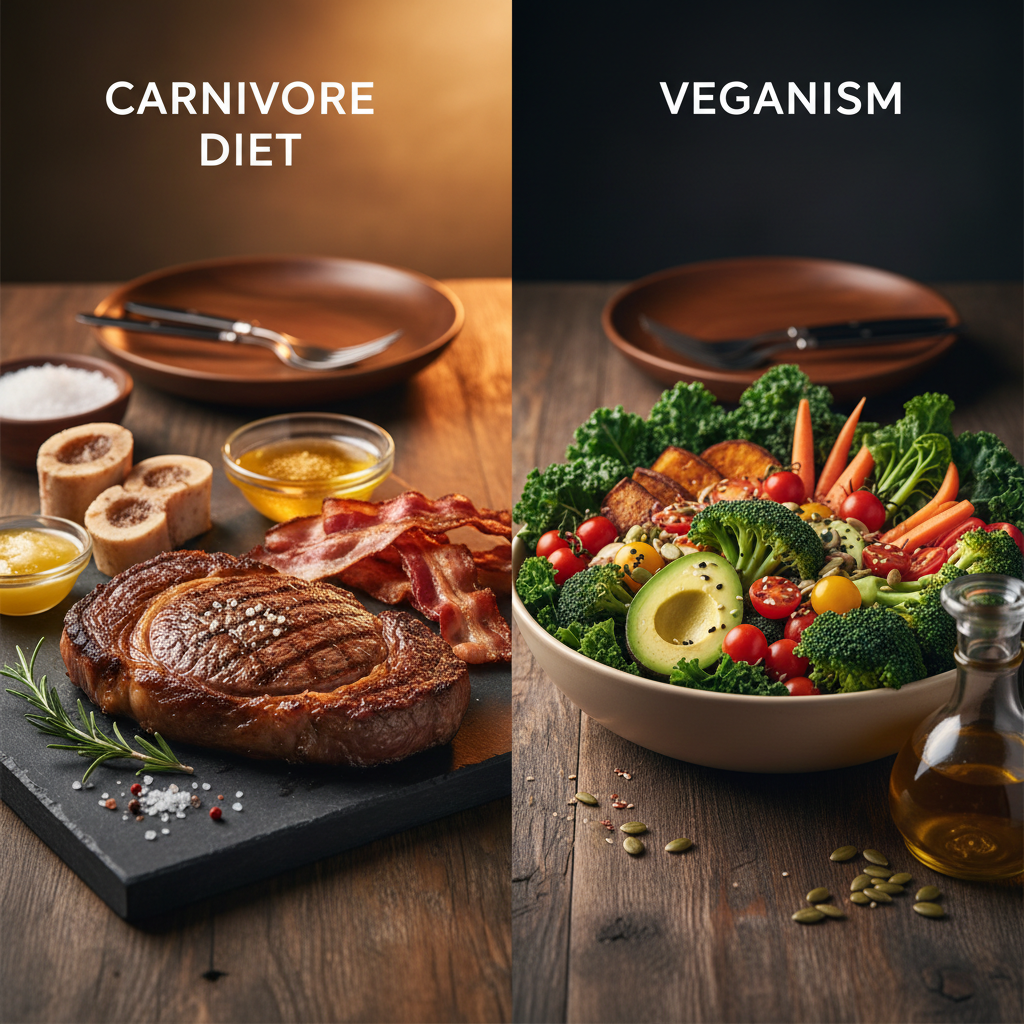
In the heated debate between the carnivore diet and veganism, one question stands above the rest: which eating pattern truly delivers superior nutrient density? With rising concerns over macros and micros, bioavailability, and long-term health, this data-driven comparison cuts through the noise. We'll explore key nutrients like B12, iron, omega-3s, and more, backed by science, to reveal why carnivore often emerges as the nutrient powerhouse.
Understanding Nutrient Density and Bioavailability
Nutrient density refers to the concentration of essential vitamins, minerals, and other bioactive compounds per calorie consumed. It's not just about eating 'healthy' foods—it's about how efficiently your body absorbs and utilizes them. Bioavailability is the game-changer here: the percentage of a nutrient your body can actually use.
In plant-based diets, anti-nutrients like phytates, oxalates, and lectins bind to micros such as iron and zinc, slashing absorption rates. Animal foods, conversely, come pre-packaged with co-factors that enhance uptake. Studies, including those from the Journal of Nutrition, show meat-eaters have 2-3 times higher bioavailability for key minerals compared to vegans.
Macros vs. Micros: The Foundation
Macros—proteins, fats, and carbs—provide energy and building blocks. Carnivore excels in complete proteins and healthy fats, while veganism relies on incomplete plant proteins requiring careful combining. Micros like vitamins and minerals are where disparities widen, as we'll detail below.
Vitamin B12: The Vegan Dilemma
Vitamin B12 is crucial for nerve function, red blood cell production, and DNA synthesis. Deficiency leads to fatigue, anemia, and neurological damage. Here's the stark reality: B12 is naturally found almost exclusively in animal products. Plants contain none in usable forms.
A 2014 study in the American Journal of Clinical Nutrition found 86% of vegans are B12 deficient without supplementation, compared to just 3% of meat-eaters. On carnivore, a single serving of beef liver provides over 1000% of the RDA—highly bioavailable cobalamin. Vegans must rely on fortified foods or pills, which often underperform due to poor absorption in gut issues common in plant-heavy diets.
Practical Tip: Supercharge B12 on Carnivore
- Eat organ meats weekly: liver, kidney for mega-doses.
- Opt for grass-fed beef: higher B12 concentrations.
- Track levels with annual blood tests—aim for 500+ pg/mL serum.
Iron: Heme Powerhouse vs. Plant Struggle
Iron prevents anemia and supports oxygen transport. There are two types: heme (from animal hemoglobin/myoglobin) and non-heme (plants). Heme iron boasts 15-35% absorption rates; non-heme only 2-20%, further reduced by plant inhibitors.
Research from the NIH shows vegetarians have 50% lower iron stores than omnivores, with vegans faring worse. A 2020 meta-analysis in Nutrients confirmed carnivores maintain optimal ferritin levels effortlessly. Steak delivers 3mg heme iron per 100g—absorbed efficiently—while spinach's 2.7mg non-heme is mostly wasted.
Actionable Advice for Iron Optimization
- Pair red meat with vitamin C-rich organs for synergy (though carnivore minimizes this need).
- Avoid calcium supplements near meals—they block absorption.
- Men: 8mg/day; women: 18mg. Carnivore hits this via ribeye or liver.
Omega-3 Fatty Acids: EPA and DHA Showdown
Omega-3s, particularly EPA and DHA, combat inflammation, support brain health, and reduce heart disease risk. Fish and animal fats provide pre-formed EPA/DHA with near-100% bioavailability. Plants offer ALA (from flax/chia), but conversion to EPA/DHA is a measly 5-10% in men, 10-20% in women.
A Harvard study revealed vegans have 50% lower DHA levels, linked to cognitive decline. Carnivore dieters eating fatty fish or grass-fed beef achieve optimal ratios without conversion losses. Salmon: 2g EPA/DHA per serving vs. flaxseed's negligible usable amount.
Tips to Boost Omega-3s on Carnivore
- Prioritize wild-caught salmon, sardines 2-3x/week.
- Choose grass-fed over grain-fed for higher omega-3 content.
- Supplement with cod liver oil if fish intake is low—1-2g EPA/DHA daily.
Macros Breakdown: Protein, Fats, and Carbs
When comparing macros, carnivore prioritizes protein (1.6-2.2g/kg bodyweight) and fats for satiety and hormones, with zero carbs. Veganism struggles with protein completeness—legumes lack certain amino acids, requiring 50% more intake for equivalence.
Fats: Carnivore's saturated/monounsaturated from tallow/butter support cell membranes; vegan seed oils are inflammatory. A study in The Lancet showed higher muscle mass in high-protein animal diets. Carb minimalism on carnivore stabilizes blood sugar, unlike vegan's fiber-induced spikes.
Macro Tracking Tips
- Use Cronometer app: Target 70-80% fat, 20-30% protein.
- Sample day: 1lb ribeye, 4 eggs, butter—covers all bases.
- Adjust for activity: Athletes up protein to 2.5g/kg.
Micros Deep Dive: Zinc, Calcium, Magnesium, and Beyond
Beyond headliners, micros like zinc (immune/testosterone), calcium (bones), and magnesium (energy) favor carnivore. Zinc in oysters/red meat: 40% absorption vs. 15% from plants. Calcium from bone broth/cheese beats spinach's oxalate-bound form.
Magnesium: Fatty fish/meat provide bioavailable forms; greens' is hindered. A 2022 review in Advances in Nutrition noted vegans' widespread deficiencies in iodine, selenium, and vitamin K2—all abundant in animal foods like eggs and liver.
Optimization Strategies
- Weekly organ platter: heart (CoQ10), spleen (iron).
- Bone broth daily for collagen/calcium/glycine.
- Test multis: RBC magnesium, serum zinc quarterly.
Real-World Outcomes and Long-Term Sustainability
Trials like the 2021 carnivore study (n=2029) reported resolved autoimmune issues and weight loss, with perfect micros via food alone. Vegan longitudinal data shows 40% supplementation reliance. Athletes like Shawn Baker thrive on carnivore; vegan elites often supplement heavily.
Transition Tips to Carnivore
- Week 1: Beef/eggs/salt only (lion diet).
- Gradual add: dairy, fish, organs.
- Hydrate: 4L water + electrolytes daily.
- Monitor: Energy surges in 2-4 weeks.
Conclusion: Carnivore Reigns for Nutrient Supremacy
The evidence is unequivocal: carnivore diet trumps veganism in nutrient density, bioavailability of B12, iron, omega-3s, and macros/micros. While veganism demands meticulous planning and supplements, carnivore delivers complete nutrition effortlessly. For optimal health, vitality, and simplicity, embrace the animal kingdom—your body will thank you. Start today with a steak and join the carnivore revolution.
Frequently Asked Questions (FAQs)
1. Can vegans get enough B12 without supplements?
Virtually no—natural plant sources lack B12. Supplementation is mandatory, but absorption issues persist.
2. Is iron from meat better than spinach?
Yes, heme iron absorbs 3-5x better than non-heme, avoiding plant inhibitors.
3. Do I need omega-3 supplements on carnivore?
Not if eating fatty fish; otherwise, cod liver oil covers it.
4. How do macros differ between the diets?
Carnivore: high protein/fat, zero carb. Vegan: balanced but incomplete proteins, higher carbs.
5. Are there risks to carnivore for micros?
None when varied—organs ensure abundance; deficiencies rare vs. veganism.
Frequently Asked Questions
Related Glossary Terms
Join the Community
Weekly recipes & tips

Join the Carnivore Community
Get weekly recipes, tips, and success stories delivered to your inbox.
No spam, ever. Unsubscribe anytime.