The "Lion Diet" vs. Nose-to-Tail Carnivore: Which is Right for You?
Unsure if the strict Lion Diet or nutrient-rich nose-to-tail carnivore suits you? This beginner's food guide compares both, with tips, meal plans, and advice to decide. Transform your health with carnivore eating.
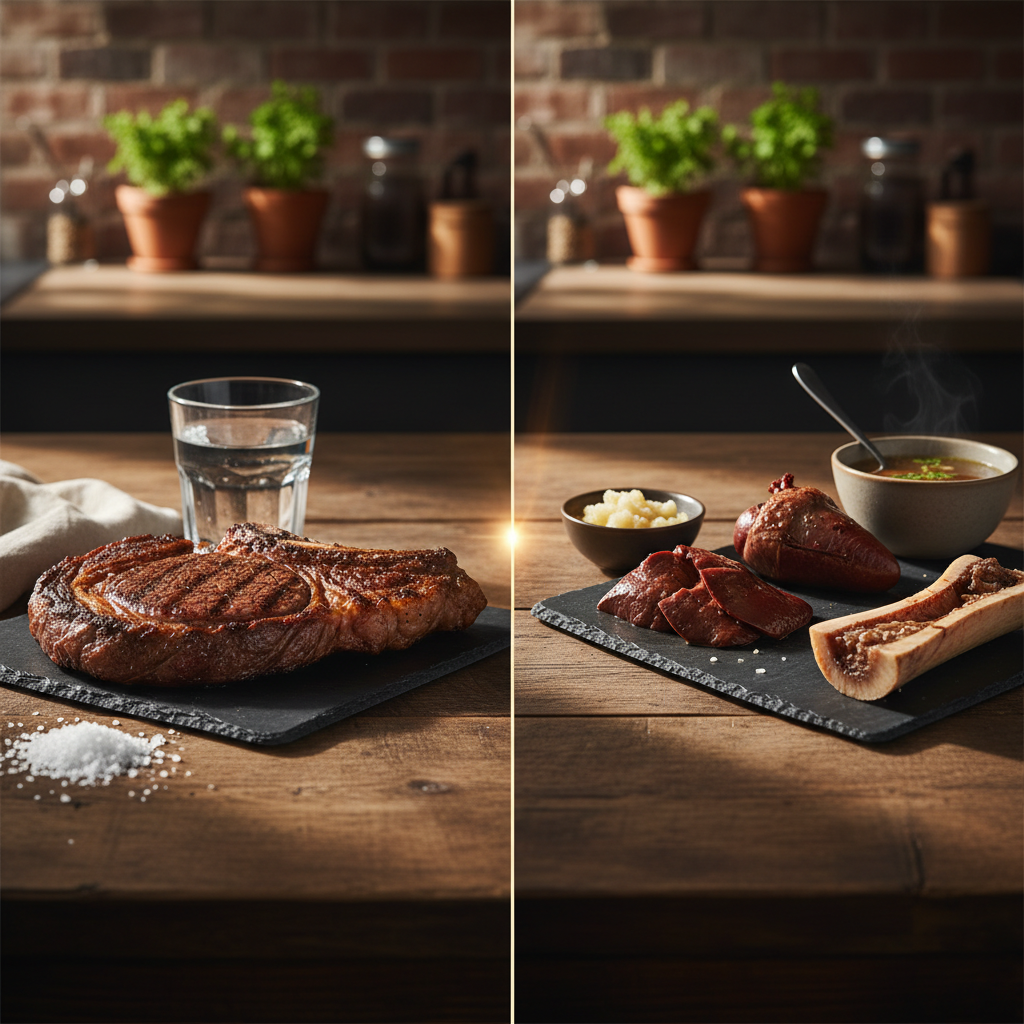
Are you a beginner dipping your toes into the carnivore diet world, feeling overwhelmed by the options? The strict "Lion Diet" popularized by Mikhaila Peterson promises radical healing with just beef, salt, and water, while the nose-to-tail carnivore approach offers a richer, more sustainable variety using every part of the animal. In this comprehensive food guide, we'll break down both diets, compare their benefits, drawbacks, and help you decide which path aligns with your health goals and lifestyle.
What is the Lion Diet?
The Lion Diet is an ultra-elimination protocol designed for those with severe autoimmune conditions, chronic inflammation, or digestive woes that resist milder interventions. Created by Mikhaila Peterson, daughter of Jordan Peterson, it stems from her personal journey overcoming juvenile rheumatoid arthritis, depression, and more through extreme dietary restriction.
At its core, the Lion Diet is simplicity incarnate: ruminant meat (primarily beef), salt, and water. No chicken, pork, fish, dairy, eggs, or even animal fats beyond what's rendered in the meat. Mikhaila emphasizes fatty cuts like ribeye, but only beef—nothing else. The goal? Strip away every potential irritant to reset the gut, identify triggers, and achieve remission.
Rules and Guidelines for Lion Diet Beginners
- Allowed foods: Beef (ground, steaks, roasts), salt (to taste), water.
- Preparation: Grill, pan-fry, bake, or boil. Avoid seasonings beyond salt.
- Duration: Typically 4-12 weeks as an elimination phase, then gradual reintroduction.
- Portion sizes: Eat until satiated, 1-3 meals daily. No calorie counting.
For beginners, this diet's appeal lies in its zero-decision-making. No grocery lists beyond beef and salt. Many report rapid improvements in energy, skin, joints, and mental clarity within weeks. However, nutrient density is a concern—relying solely on muscle meat lacks organs' vitamins like A, K2, and B12 boosters.
What is Nose-to-Tail Carnivore?
Nose-to-tail carnivore eating honors the animal's full nutritional profile, consuming muscle meat, organs, fat, bone marrow, connective tissues, and broths. Inspired by ancestral diets and figures like Dr. Paul Saladino and Dr. Shawn Baker, it's a broader, more nutrient-complete version of carnivory.
This approach mimics how lions (yes, the namesake) thrive: prioritizing nutrient-dense organs while balancing with muscle meat and fat. It's sustainable long-term, avoiding the monotony of strict beef-only protocols.
Key Foods in a Nose-to-Tail Food Guide
- Muscle meats: Beef, lamb, goat, bison (80/20 ground ideal).
- Organs (10-20% of intake): Liver, heart, kidney, spleen, pancreas.
- Fats: Tallow, suet, butter/ghee (if tolerated).
- Other: Bone broth, marrow, cartilage, eggs (optional), some dairy like hard cheeses.
Beginners love the variety—think liver pâté one day, bone broth soup the next. It's a flexible food guide promoting satiety, muscle gain, and hormonal health through bioavailable nutrients.
Key Differences: Lion Diet vs. Nose-to-Tail Carnivore
While both are zero-carb, animal-based, the chasm between Lion and nose-to-tail is stark. Here's a head-to-head breakdown to guide your choice.
Nutritional Profile
- Lion Diet: High protein/fat from beef muscle. Lacks organ nutrients; potential deficiencies in folate, copper, vitamin A if prolonged.
- Nose-to-Tail: Complete spectrum—A, B-vitamins, CoQ10, heme iron from organs. More electrolytes naturally.
Sustainability and Ease
- Lion: Dead simple shopping/cooking. But boredom risks non-compliance after months.
- Nose-to-Tail: Requires sourcing organs (butcher/farmer). More recipes, but steeper learning curve for beginners.
Cost and Accessibility
Beef-only is pricier per nutrient gram. Nose-to-tail leverages cheap organs (liver ~$3/lb vs. steak $15/lb), slashing costs 30-50%.
Health Outcomes
Lion excels for acute healing (e.g., IBS remission in 30 days). Nose-to-tail shines long-term (athletic performance, fertility).
Benefits and Drawbacks of Each Approach
Lion Diet Pros and Cons
Pros:
- Lightning-fast symptom relief—many heal eczema, arthritis in weeks.
- No guesswork; perfect for beginners overwhelmed by choices.
- Promotes autophagy via strict fasting-mimicking restriction.
Cons:
- Monotony leads to cravings/dropout.
- Risk of scurvy-like symptoms without organs (though rare).
- Not family-friendly or social.
Nose-to-Tail Pros and Cons
Pros:
- Nutrient density prevents deficiencies; supports thyroid, hormones.
- Variety boosts adherence—experiment with recipes.
- Ethical (uses whole animal), economical.
Cons:
- Organs' taste/texture off-putting initially.
- More planning; potential histamine issues with aged meats/organs.
Who Should Choose Which Diet?
Choosing boils down to your goals, tolerance, and health status. Use this decision tree:
- Pick Lion if: You have severe autoimmunity, need quick wins, or crave simplicity. Ideal 4-6 week reset for beginners.
- Pick Nose-to-Tail if: Long-term maintenance, athletic goals, or family eating. Transition post-Lion.
- Hybrid: Start Lion, add organs week 6+.
Consult a doctor, especially with conditions. Track symptoms via journal.
Practical Tips and Actionable Advice for Beginners
As a food guide for beginners, here's how to launch successfully.
Getting Started on Lion Diet
- Stock 10lbs grass-fed beef, Redmond Real Salt, electrolytes.
- Meal idea: Salted ribeye (air-fry 400F, 12 min), water.
- Tip: Sip bone broth if electrolytes crash (transitional).
Embracing Nose-to-Tail
- Source: Local butcher for fresh organs; freeze portions.
- Sample day: Breakfast—liverwurst; Lunch—ground beef patties; Dinner—heart steak + tallow.
- Recipe: Blend liver into ground beef (1:4 ratio) for burgers.
General Tips: Hydrate (1oz water/lb bodyweight), walk daily, sleep 8hrs. Batch-cook Sundays. Apps like Cronometer track micros.
Sample Meal Plans and Recipes
Week 1 Lion Plan:
- Mon: 2lbs fatty ground beef, salted.
Daily repeat, vary cuts.
Nose-to-Tail 7-Day:
- Day 1: Liver (4oz), ribeye (12oz).
Day 2: Bone broth, lamb chops, kidney.
Etc.
Full recipes: Beef heart skewers (marinate salt overnight, grill).
Conclusion
Whether you roar with the Lion Diet's austerity or feast nose-to-tail's abundance, carnivore eating transforms lives. Beginners, start strict if healing urgently, expand for sustainability. This food guide equips you—track progress, listen to your body, and thrive. Join the carnivore pride; your health awaits.
Frequently Asked Questions (FAQs)
1. Can beginners do the Lion Diet?
Yes! It's beginner-friendly due to simplicity. Expect adaptation flu (days 3-7); push through for benefits.
2. Is nose-to-tail nutritionally superior?
Generally yes—organs fill gaps. But Lion suffices short-term.
3. How long before switching diets?
4-8 weeks on Lion, then test foods. Nose-to-tail for life.
4. What about electrolytes on Lion?
Salt liberally; LMNT packets if needed.
5. Cost comparison?
Lion: $10-15/day. Nose-to-tail: $6-10/day with organs.
Frequently Asked Questions
Related Glossary Terms
Join the Community
Weekly recipes & tips

Join the Carnivore Community
Get weekly recipes, tips, and success stories delivered to your inbox.
No spam, ever. Unsubscribe anytime.