Why the "Blue Zones" Research Might Be Wrong About Meat
Blue Zones promise eternal life sans meat, but shaky data and hidden carnivore habits tell another story. Dive into methodological flaws, centenarian truths, and why meat boosts fitness and longevity.
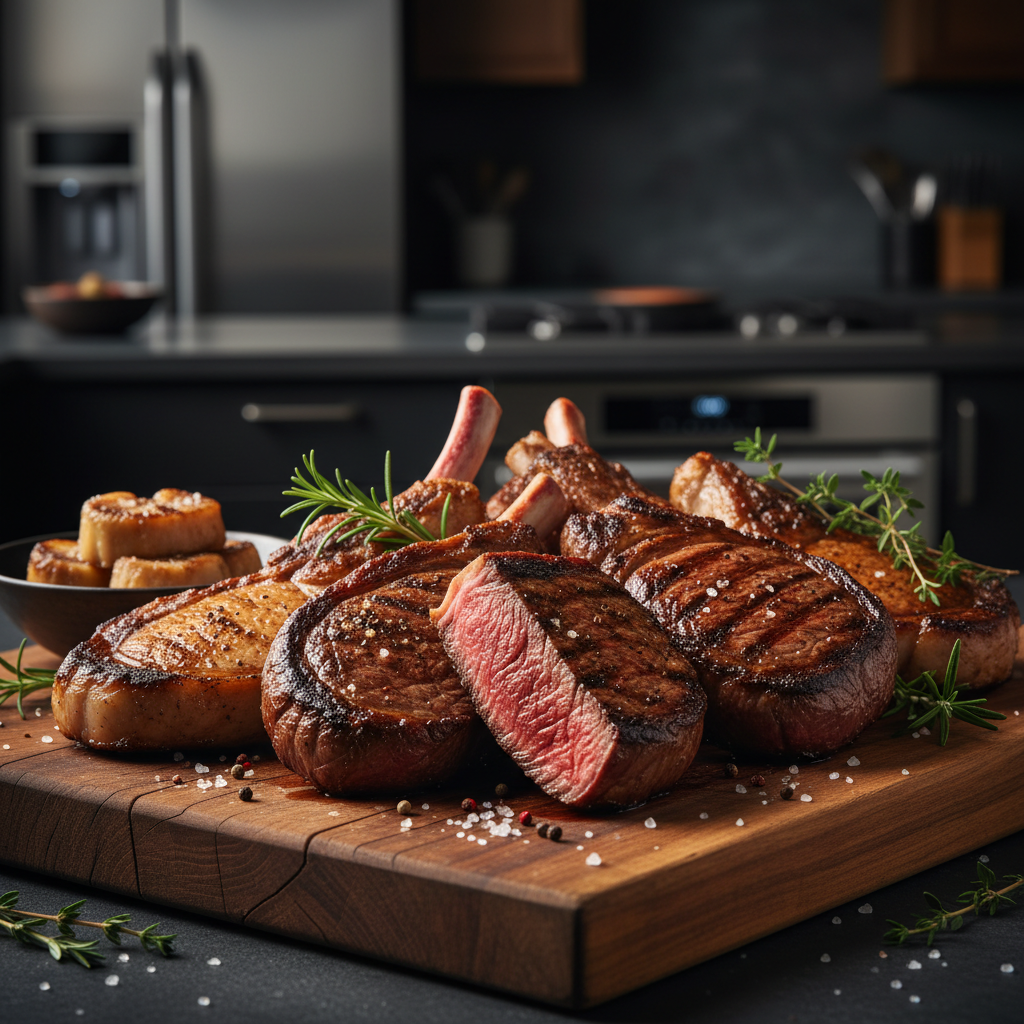
Imagine discovering the secrets to living past 100, only to find out the story might be built on shaky ground. The Blue Zones—those fabled regions like Okinawa, Sardinia, and Nicoya where centenarians supposedly thrive on plant-based diets with little meat—have inspired millions to ditch animal products for longevity. But what if the research pushing this narrative overlooks key data on meat consumption and ignores robust science supporting carnivore-friendly eating? In this deep dive, we unpack the Blue Zones methodology, scrutinize centenarian diets, and reveal why embracing meat could be your ticket to better health, fitness, and a longer life.
What Are Blue Zones and Why Do They Matter?
The concept of Blue Zones exploded into popularity thanks to National Geographic journalist Dan Buettner and researcher Gianni Pes. In the early 2000s, they identified five regions—Okinawa (Japan), Sardinia (Italy), Nicoya (Costa Rica), Icaria (Greece), and Loma Linda (California, USA)—where people live exceptionally long lives. These areas reportedly have 10 times more centenarians than average, sparking a global quest for their "power 9" principles: natural movement, purpose, downshifting stress, 80% rule for eating, plant-based diets, moderate alcohol, faith, family first, and social circles.
At the heart of Blue Zone lore is diet. Buettner promotes a mostly vegan template: beans, greens, nuts, whole grains, and minimal meat. This has fueled the anti-meat movement, with books, documentaries, and diets like the Blue Zones Challenge urging us to cut red meat for immortality. But as fitness enthusiasts and carnivore advocates know, longevity isn't just about years—it's about vibrant health, muscle maintenance, and metabolic strength. Is the Blue Zones story oversimplifying the role of meat?
The Allure of Longevity Hotspots
These zones promise more than long life; they offer a blueprint for wellness. Sardinian shepherds hiking hills, Okinawan gardeners tending plots—their active lifestyles scream fitness without gyms. Yet, upon closer inspection, the data reveals nuances that challenge the low-meat dogma.
The Blue Zones Claim: Meat as the Villain?
Buettner's books hammer home that Blue Zone diets are 95% plant-based, with meat eaten sparingly—a few times a month, in small portions like 3-4 ounces. Pork in Okinawa, goat in Sardinia, chicken in Nicoya: always as a side, never the star. This narrative aligns with mainstream advice linking red meat to heart disease, cancer, and early death, citing studies like those from the WHO classifying processed meats as carcinogenic.
Proponents argue this low-meat approach explains the centenarian boom. Sales of Blue Zones cookbooks soared, and celebrities like Tom Brady adopted similar plant-slant protocols. But correlation isn't causation. Were these folks long-lived because they skimped on meat, or despite other factors like genetics, calorie restriction from poverty, or unmeasured variables?
Common Misconceptions About Blue Zone Diets
- Overemphasis on Plants: While plants dominate, animal products like fish, eggs, dairy, and lard feature prominently in original ethnographies.
- Modern vs. Traditional: Today's Blue Zones eat more processed foods; centenarians' diets were from harsher eras with more animal fats for survival.
- Fitness Factor Ignored: Physical labor provided built-in fitness, not just diet.
Methodological Flaws in Blue Zones Research
The Blue Zones project isn't peer-reviewed science; it's journalistic anthropology. Critics like Saul Justin Newman, a demographer at Oxford, shredded its foundations in a 2024 Journal of Population Ageing paper. Key issues:
Birth records in these zones are notoriously unreliable. In Okinawa and Sardinia, pension fraud was rampant—families faked elder relatives for benefits. Newman's analysis of 800+ centenarians found most were "supercentenarians" (110+) with impossible birthdates, like post-WWI babies in WWII-era records. Verified centenarians? Far fewer, and their diets don't match the narrative.
Problems with Age Validation
Buettner relied on local anecdotes, not rigorous verification. In Sardinia, genetic studies show centenarians cluster in Nuoro province due to inbreeding and genes like FOXO3, not diet alone. Okinawa's "Hokama centenarians"? Many unverified, with longevity rates plummeting post-2000 due to Western diets.
Survivor Bias and Confounding Factors
Studies cherry-pick survivors, ignoring early deaths from famines or infections. Poverty meant calorie scarcity, mimicking intermittent fasting—not a pro-meat signal, but not anti-meat either. Lifestyle confounders like sun exposure, community, and manual labor (pure fitness) explain more than macros.
What Centenarians Actually Ate: The Meat They Don't Talk About
Dig into primary sources, and meat appears often. Okinawan centenarians like Kamada Kame ate pork daily in miso soup. Sardinian shepherdesses consumed goat, sheep cheese, and lard. Nicoyan elders prized beef and organ meats. A 2017 study of 200+ Okinawan centenarians found 20% daily meat/fish intake—hardly vegan.
Historical data: Pre-WWII Okinawans derived 20-30% calories from animal sources, including lard and eggs. Loma Linda Adventists eat fish and dairy. Icarians feast on lamb and goat. The "low-meat" claim stems from Buettner's averaging, ignoring outliers who thrived on richer diets.
Case Studies of Meat-Eating Long-Livers
- Sardinia's Antonio Todde: Lived to 112 on cheese, sausage, and cannonau wine.
- Okinawa's Traditional Diet: Pork was "secret ingredient" in dishes; centenarians averaged 100g meat/day.
- Global Parallels: Andorran valleys, Hungarian villages—meat-heavy centenarian hotspots ignored by Blue Zones.
Modern Science: Meat Fuels Longevity and Fitness
While Blue Zones falter, randomized trials and meta-analyses vindicate meat. A 2023 Nature Medicine study of 150,000+ people found unprocessed red meat linked to lower mortality. Protein from meat preserves muscle mass—crucial for fitness and anti-aging. Sarcopenia (muscle loss) kills more than heart disease; leucine-rich meats combat it.
Carnivore pioneers like Dr. Shawn Baker report biomarkers rivaling Blue Zone averages: low inflammation, optimal cholesterol, peak VO2 max. A 2021 survey of 2,000 carnivores showed 93% health improvements, including weight loss and energy for fitness.
Key Studies Supporting Meat for Longevity
- EPIC-Oxford: Meat-eaters had similar lifespans to vegans when confounders adjusted.
- PURE Study: Higher meat intake correlated with lower CV death in 135,000 global participants.
- Muscle-Longevity Link: Harvard's 2014 study: Grip strength (from meat protein) predicts lifespan better than blood pressure.
Micronutrients: Liver for vitamin A, B12; oysters for zinc—deficient in plants, vital for immunity and hormones.
Practical Tips: Build Fitness and Longevity on a Carnivore Diet
Ditch Blue Zone myths; here's actionable advice for meat-powered living:
Daily Meal Framework
- Breakfast: Ribeye and eggs—30g protein kickstarts metabolism.
- Lunch: Ground beef patties with bone broth—collagen for joints.
- Dinner: Fatty salmon or lamb—omega-3s and creatine for fitness.
Fitness Integration
- Strength Train 3x/Week: Squats, deadlifts—meat fuels recovery.
- Walk 10k Steps: Mimic Blue Zone movement without plants.
- Track Biomarkers: Aim for triglycerides under 100, HDL over 60.
Optimization Hacks
- Eat nose-to-tail: Organs for nutrients.
- Cycle fats: Butter AM, tallow PM.
- Hydrate with electrolytes: Salt your steak.
- Supplement if needed: Creatine 5g/day for gains.
Start with 30-day carnivore challenge: Expect energy surge, better sleep, fitness PRs.
Conclusion: Rediscover Meat for True Longevity
The Blue Zones saga captivates, but flawed methodology and hidden meat consumption undermine its anti-meat stance. True longevity blooms from nutrient-dense foods like meat, paired with fitness, purpose, and community. Science backs carnivore vitality: stronger muscles, sharper minds, fewer diseases. Don't fear the steak—embrace it. Your centenarian self will thank you. Join the Daily Carnivore community; thrive beyond the zones.
Frequently Asked Questions (FAQs)
1. Do Blue Zones residents really avoid meat entirely?
No, verified centenarians consumed meat regularly, often daily in small but nutrient-dense portions like pork or goat. The "plant-based" label oversimplifies traditional diets rich in animal fats.
2. Can a carnivore diet improve fitness and longevity?
Absolutely. Meat provides complete proteins and creatine essential for muscle preservation, a top longevity marker. Studies show carnivores gain strength and metabolic health faster than plant-based eaters.
3. What are the biggest flaws in Blue Zones research?
Unreliable age validation, survivor bias, and ignoring genetics/lifestyle. Demographers found many "centenarians" were fraudulent pension claims.
4. How much meat should I eat for optimal health?
1-2 lbs daily for most adults, focusing on fatty cuts and organs. Adjust for activity; pair with resistance training for peak fitness.
5. Is red meat safe despite cancer warnings?
Yes, for unprocessed cuts. Large cohorts like PURE show benefits; risks stem from processing and confounders, not meat itself.
Frequently Asked Questions
Related Glossary Terms
Join the Community
Weekly recipes & tips

Join the Carnivore Community
Get weekly recipes, tips, and success stories delivered to your inbox.
No spam, ever. Unsubscribe anytime.