Eating Carnivore Abroad: A Survival Guide for Expats
Navigate carnivore eating worldwide with our expat survival guide. From European butchers to Asian street meats, get actionable tips to thrive anywhere. Overcome sourcing challenges effortlessly.
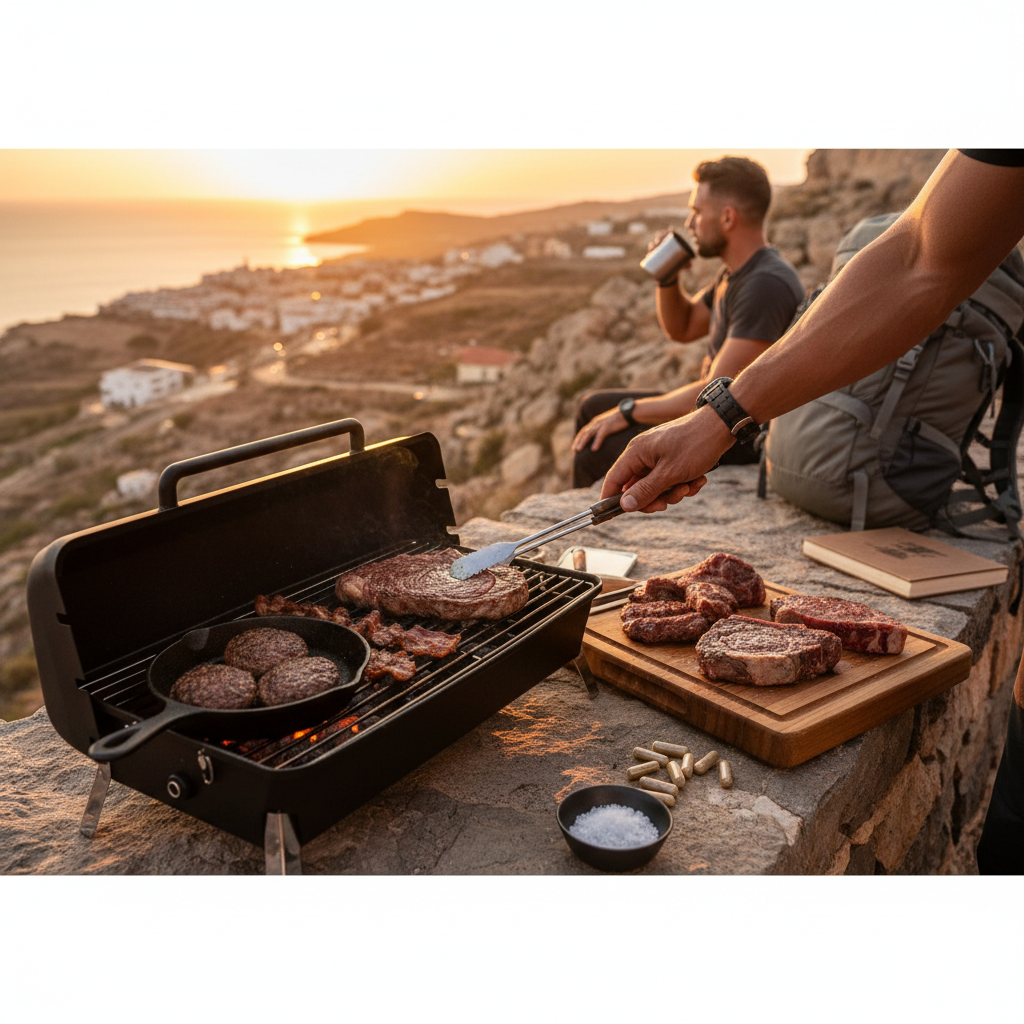
Embarking on a carnivore adventure abroad can feel like stepping into uncharted territory, especially when you're craving a juicy ribeye but the local dining scene revolves around rice bowls or veggie curries. As an expat or traveler committed to the carnivore diet, you'll face unique challenges like sourcing high-quality meats, understanding cultural attitudes toward meat consumption, and adapting to unfamiliar dining norms. But fear not—this survival guide is your roadmap to thriving on meat alone, no matter where you land. We'll break down country-by-country tips, practical strategies for finding butchers and markets, and insider hacks to keep your carnivore lifestyle intact.
Preparing Mentally and Logistically for Carnivore Living Abroad
Before packing your bags, mindset and preparation are key to conquering carnivore challenges overseas. Research local meat consumption habits—some countries idolize beef, while others prioritize plant-based meals. Learn basic phrases in the local language for ordering meat: "carne pura" in Spanish-speaking nations or "niku dake" (meat only) in Japan.
Essential Packing List for Carnivores
- Electrolyte supplements: Combat potential deficiencies from travel stress and new water sources.
- Portable spices: Salt, pepper, and animal-based seasonings to elevate bland hotel meats.
- Collapsible cooler bag: For transporting fresh cuts from markets.
Apps like HappyCow (ironically, for spotting meat-heavy spots) or Google Translate with offline meat dictionaries will be lifesavers. Budget for premium meats—expect 20-50% higher costs in tourist areas. Join expat Facebook groups like "Carnivores in [Country]" for real-time dining recommendations.
Europe: Steak Havens and Hidden Butcher Gems
Europe offers carnivore paradise in places like Spain and Hungary, but veggie-centric Scandinavia poses hurdles. Average meat intake here is high (over 70kg per capita annually), but quality varies.
France and Italy: Romance Meets Rare Steaks
In France, seek boucheries (butcher shops) for grass-fed entrecôte. Parisians love steak frites—order "saignant" for rare. Challenge: High prices (€30+ per kg for premium beef). Tip: Visit Marché d'Aligre in Paris for deals. Italy's macelleria yield porchetta and bistecca alla fiorentina; Florence's Mercato Centrale is a carnivore mecca. Avoid tourist traps; locals dine at trattorie with nose-to-tail options.
UK, Germany, and Scandinavia
UK butchers like Ginger Pig in London stock dry-aged beef. Germany's Metzgerei offer wurst and schnitzel—Bratwurst in Munich markets. Scandinavia's challenge: Eco-focus means pricey, organic meats. In Sweden, hit ICA Maxi supermarkets for elk or reindeer; Stockholm's Östermalms Saluhall has elite cuts. Pro tip: Airbnb hosts often know private farmers—message ahead for deliveries.
Europe's EU regulations ensure traceability, reducing sourcing worries. Expect cultural pushback in vegan hotspots like Berlin—politely explain your health choice.
Asia: From Wagyu Bliss to Street Meat Mastery
Asia's carnivore scene is diverse: Japan excels in premium beef, while India tests resolve. Meat consumption is rising (projected 20% growth by 2030), but hygiene and availability vary.
Japan and South Korea: Wagyu and Bulgogi Heaven
Japan's Matsusaka or Kobe beef is carnivore gold—visit Tsukiji Outer Market in Tokyo for A5-grade at ¥10,000/kg. Yakiniku restaurants let you grill your own. Korea's galbi and samgyeopsal shine in Seoul's Gwangjang Market. Challenge: Language barrier. Solution: Use photos of cuts on your phone. Both countries have 24/7 convenience stores (konbini) with onigiri-wrapped meats for emergencies.
Thailand, Vietnam, and India: Street Food and Stealth Sourcing
Thailand's khao man gai stalls hide pork belly gems—head to Chatuchak Market. Vietnam's pho shops yield beef brisket; Hanoi's Dong Xuan Market for fresh. India's hurdle: Vegetarian dominance (30% veggie population). Focus on Kerala or Punjab for mutton biryani minus rice. Secret: Muslim butcher shops (qasai) offer halal goat. Apps like Zomato filter meat-only spots. Tip: Carry tallow packets for frying hotel eggs.
Hygiene tip: Boil or cook meats thoroughly; opt for vacuum-sealed imports at expat supermarkets like Aeon in Thailand.
Latin America: Beef Empires and Tropical Twists
Home to the world's top beef consumers (Argentina: 50kg/person/year), Latin America is carnivore nirvana.
Argentina and Brazil: Asado All Day
Argentina's parrillas serve parrillada (mixed grill)—Buenos Aires' Don Julio is legendary. Buy from carnicerías at $5/kg for grass-fed. Brazil's churrascarias in São Paulo rodízio-style feed endless picanha. Challenge: Inflation spikes prices. Tip: Join asado meetups via Meetup.com for home-cooked feasts.
Mexico and Beyond
Mexico's taquerias offer carne asada; Mexico City's Mercado de la Merced for organs. Colombia's bandeja paisa piles meats high. Sourcing: Local ferias (markets) daily. Cultural norm: Meat is social—invite neighbors for barbacoa to build networks and score invites.
Middle East, Africa, and Oceania: Halal, Game, and Lamb Lands
These regions emphasize ritual-slaughtered meats, aligning with carnivore purity.
Middle East (UAE, Saudi): Luxury Lamb and Camel
Dubai's Al Mallah Hypermarket stocks Australian lamb. Kabsa rice-less in Riyadh. Challenge: Ramadan fasting. Tip: Stock up pre-dusk; camel meat at souks for novelty.
Africa (South Africa, Kenya): Biltong and Nyama Choma
South Africa's boerewors and biltong from Woolworths. Kenya's nyama choma (grilled goat) roadside. Game meats like kudu available. Tip: Safari lodges cater to carnivores.
Australia and New Zealand: Clean, Green Meats
Aussie's rump steak from Coles; NZ's lamb racks world-class. Challenge: Strict biosecurity—no importing snacks. Farmers' markets like Sydney's Eveleigh for grass-fed.
Overcoming Sourcing Challenges and Pro Tips
Universal hurdles: Expat bubbles inflate prices, language gaps, and supply chain issues. Solutions:
- Hunt farms: Use Airbnb Experiences or Workaway for farm stays with meat access.
- Online butchers: Crowd Cow-style services like Crowd Butcher in EU or MeatMarket in Asia.
- Customs savvy: Check allowances (e.g., US allows 12kg cooked meat).
- Health hacks: Liver weekly for nutrients; bone broth from scraps.
- Dining etiquette: In Muslim areas, confirm halal; in Japan, slurp appreciatively.
Track macros with Cronometer app, adjusted for local cuts. Budget: $10-20/day feasible outside luxury spots.
Conclusion: Claim Your Global Carnivore Throne
Eating carnivore abroad transforms challenges into triumphs, forging deeper cultural connections through shared feasts. Whether grilling asado in Buenos Aires or savoring wagyu in Tokyo, stay adaptable, resourceful, and unapologetic. Your body will thank you with sustained energy, and you'll return home with stories (and recipes) that make fellow carnivores envious. Pack light, eat heavy, and conquer the world—one steak at a time.
Frequently Asked Questions (FAQs)
1. Is the carnivore diet feasible in vegetarian-heavy countries like India?
Yes, target Muslim or Christian areas for mutton and chicken. Apps like NearMe help locate butchers; focus on cities like Mumbai or Goa.
2. How do I find quality meat in Europe without breaking the bank?
Shop at local markets early mornings for deals. Join co-ops or buy in bulk from farms via Facebook groups.
3. What about dining out carnivore-style in Asia?
Request "no rice/veggies" at BBQ spots. Street markets offer grilled meats; verify freshness by smell and sizzle.
4. Can I maintain carnivore during religious holidays abroad?
Stockpile pre-fast; use canned fish or jerky. In Christian nations, Lent is mild—Easter feasts abound.
5. Best apps for carnivore expats traveling?
Google Maps for "butcher," HappyCarnivore forums, and local delivery like Glovo for meats.
Frequently Asked Questions
Related Glossary Terms
Join the Community
Weekly recipes & tips

Join the Carnivore Community
Get weekly recipes, tips, and success stories delivered to your inbox.
No spam, ever. Unsubscribe anytime.