How to Find a Local Butcher Who Offers Custom Primal Cuts
Unlock the secrets to sourcing custom primal cuts from local butchers for superior carnivore nutrition and savings. This step-by-step guide covers finding shops, key questions, and meal-prep integration. Elevate your dining with fresh, affordable meat.
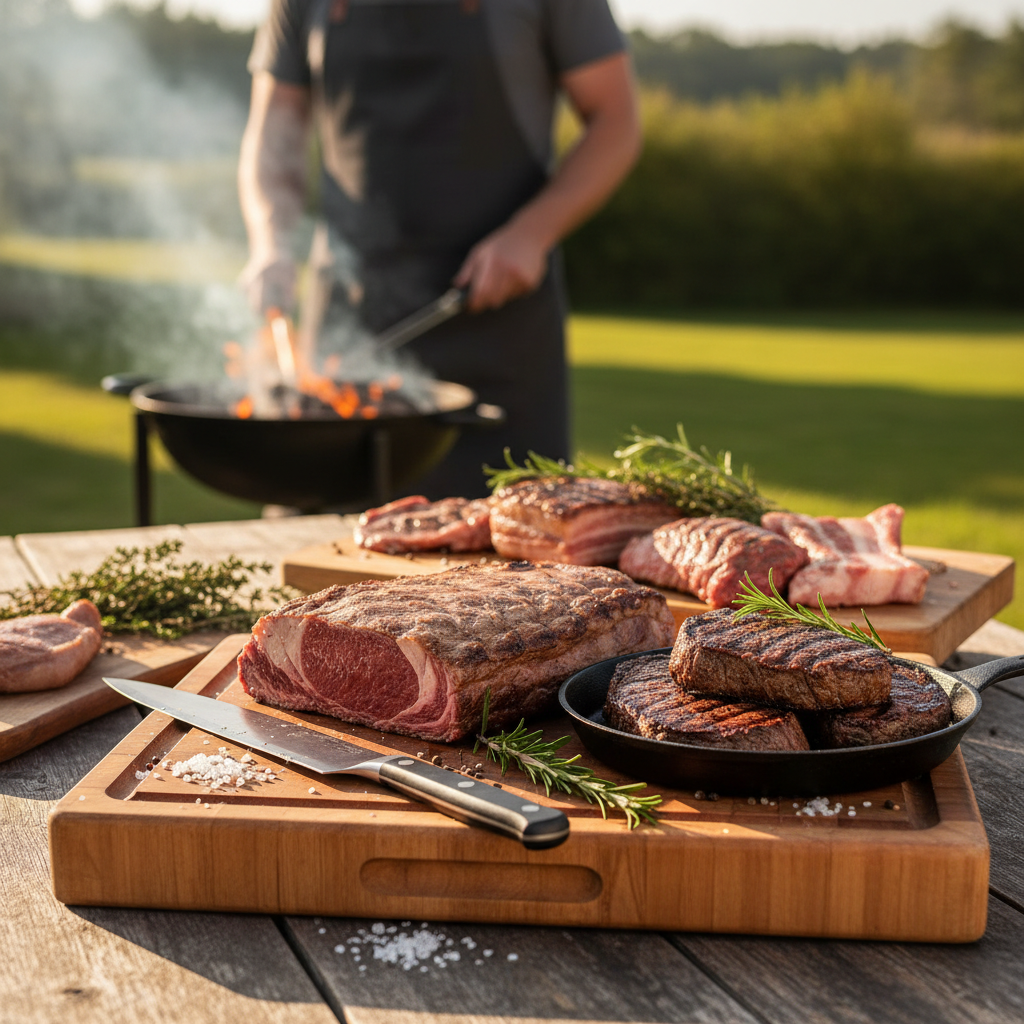
In the world of carnivore dining and efficient meal-prep, nothing beats the quality and customization you get from a local butcher who specializes in primal cuts. Imagine sourcing grass-fed beef ribs, thick pork bellies, or whole lamb legs tailored exactly to your needs—fresher, cheaper, and packed with superior nutrition compared to supermarket slabs. This guide walks you through finding that perfect butcher, asking the right questions, and ordering custom cuts that elevate your carnivore lifestyle while saving you time and money.
Why Local Butchers with Custom Primal Cuts Are a Carnivore's Best Friend
For avid carnivores, the journey to optimal health starts with high-quality meat. Local butchers offering custom primal cuts provide unparalleled advantages over big-box stores. Primal cuts—large sections of meat like the chuck, rib, or loin—are broken down from whole animals, retaining maximum flavor, nutrients, and value.
Freshness and Quality You Can Taste
Unlike pre-packaged supermarket meat, which can sit for days, a local butcher's offerings are often processed within hours of slaughter. This means higher omega-3 levels in grass-fed options, better marbling, and no preservatives diluting the nutrition. Studies from the Journal of Animal Science highlight how fresh cuts preserve essential vitamins like B12 and iron, crucial for carnivore diets.
Cost Savings and Waste Reduction
Buying primal cuts in bulk slashes costs by 30-50%. A whole beef brisket might cost $5 per pound custom-cut versus $12 retail. Plus, you minimize packaging waste, aligning with sustainable dining practices.
Support for Local Economies and Ethical Sourcing
Choosing local supports family farms raising animals humanely on pasture, often antibiotic-free. It's a win for your health, wallet, and community.
Step-by-Step Guide to Finding Your Ideal Local Butcher
Finding the right butcher doesn't require guesswork. Follow this actionable roadmap to locate one offering custom primal cuts.
- Start with Online Searches: Use Google Maps or Yelp with queries like "local butcher custom cuts near me" or "grass-fed primal cuts [your city]." Filter for 4+ star ratings and read reviews mentioning "custom orders" or "whole carcass breakdown."
- Leverage Carnivore Communities: Check Reddit's r/carnivore or r/zerocarb, Facebook groups like "Carnivore Diet Support," or local keto/carnivore meetups for recommendations.
- Visit Farmers Markets and Co-Ops: Weekends are prime time. Look for meat vendors displaying whole primals and ask about their butcher partners.
- Use Butcher Directories: Sites like EatWild.com or LocalHarvest.org list ethical meat sources with custom services.
- Ask at High-End Restaurants: Upscale steakhouses source from top butchers—call and inquire about their suppliers.
Red Flags to Avoid
- No transparency on sourcing (e.g., no farm names).
- Limited cut options or only pre-packaged meat.
- Poor hygiene or outdated inventory.
Pro Tip: Visit 3-5 shops in one outing. Note staff knowledge and display variety.
Essential Questions to Ask Your Prospective Butcher
Once inside, conversation seals the deal. These targeted questions reveal if they excel in custom primal cuts.
- "Do you offer custom cutting from whole primals or carcasses?" Ideal answer: Yes, with details on minimum orders (often 10-25 lbs).
- "What sourcing do you use—grass-fed, pasture-raised, or regenerative?" Push for specifics like A2 milk cows or 100% grass-finished.
- "Can you break down primals into my specs, like thick steaks or stew meat?" Good butchers provide diagrams and freezer wrapping.
- "What are your pricing structures for bulk primals?" Expect hanging weight quotes (cheaper) vs. packaged.
- "Do you have offal or specialty items like marrow bones?" True carnivore butchers nose-to-tail.
- "How do you handle custom orders—lead time and pickup?" Aim for 1-3 days turnaround.
Listen for enthusiasm. Passionate butchers love educating customers on cuts like the flavorful flatiron steak from the chuck primal.
Understanding Primal Cuts and Mastering Custom Orders
Primal cuts are the eight major beef sections (e.g., round, loin, rib), four pork primals, etc. Knowing them empowers precise orders.
Beef Primals Breakdown
| Primal | Best Uses | Nutrition Highlights |
|---|---|---|
| Chuck | Ground, roasts, stew | High collagen, iron |
| Rib | Ribeye steaks, prime rib | Rich fats, CLA |
| Short Loin | NY strip, tenderloin | Lean protein |
| Sirloin | Steaks, roasts | Zinc, B vitamins |
| Round | London broil, jerky | Low-fat, versatile |
How to Place a Custom Order
1. Select primal (e.g., half rib section).
2. Specify cuts: "Eight 1.5-inch ribeyes, rest as short ribs."
3. Choose thickness, trim level.
4. Add requests: vacuum-seal, paper-wrapped.
5. Confirm total weight and cost.
Example: For meal-prep, order a pork shoulder primal into 2-lb portions for carnitas—perfect for weekly batches.
Tips for Building a Long-Term Relationship with Your Butcher
Loyalty unlocks deals. Nurture it with these strategies:
- Visit Regularly: Weekly for fresh ground meat builds rapport.
- Share Your Goals: "I'm carnivore-focused—prioritize fatty cuts."
- Buy in Bulk Seasonally: Stock freezer during sales.
- Refer Friends: Many offer discounts for referrals.
- Learn Together: Ask about new farms or cuts like beef cheeks.
Bonus: Some butchers host classes on dry-aging or sausage-making, enhancing your dining skills.
Maximizing Savings, Nutrition, and Efficiency with Custom Cuts
Custom primals aren't just meat—they're a strategy.
Financial Wins
Case study: A 20-lb rib primal at $7/lb yields 12 steaks worth $15/lb retail—saving $160. Track with apps like ButcherBox trackers adapted for locals.
Nutritional Superiority
Less handling means more nutrients. Grass-fed primals boast 2x omega-3s (per USDA data), supporting anti-inflammatory carnivore benefits.
Meal-Prep Mastery
Portion primals into 7-day packs: Monday ribeyes grilled, Tuesday chuck roasts slow-cooked. Label bags: "Thaw for air-fryer." This streamlines your routine, reducing decision fatigue.
Integrating Custom Cuts into Carnivore Dining and Meal-Prep
Elevate everyday eating. For dining, host primal feasts—whole porterhouse for guests. In meal-prep, batch-cook sirloin tips with tallow for salads or bowls.
Recipes:
Primal Rib Roast: Season, roast at 450F then 250F to 130F internal.
Custom Pork Belly Burnt Ends: Cube, smoke, sauce optional.
Experiment: Try lamb leg primal for gyros or bison short loin for lean variety.
Conclusion: Your Path to Carnivore Excellence Starts Today
Finding a local butcher for custom primal cuts transforms your carnivore journey—fresher meat, deeper savings, peak nutrition, and joy in every bite. Armed with this guide, scout your town, ask boldly, and stock that freezer. Your body and taste buds will thank you. Head out this weekend—your perfect butcher awaits!
Frequently Asked Questions
1. What exactly are primal cuts?
Primal cuts are the large, initial sections butchered from a carcass, like the chuck or loin in beef. They're more affordable and versatile than retail cuts.
2. How much can I save buying custom primals?
Typically 30-50% off retail. A 50-lb order might save $200+, depending on the shop and primal.
3. Are custom cuts suitable for beginners in meal-prep?
Absolutely. Butchers portion to your needs, making it easy to freeze and thaw for weekly preps.
4. How do I store large primal cuts?
Vacuum-seal and freeze at 0F; they last 6-12 months. Use a chest freezer for bulk.
5. Can vegetarians or non-carnivores benefit?
Yes, for quality poultry, fish, or custom poultry primals, but it's ideal for meat-lovers.
Frequently Asked Questions
Related Glossary Terms
Join the Community
Weekly recipes & tips

Join the Carnivore Community
Get weekly recipes, tips, and success stories delivered to your inbox.
No spam, ever. Unsubscribe anytime.