How to Host a Carnivore BBQ Without Offending Your Guests
Discover how to plan a carnivore BBQ that delights meat lovers while gracefully accommodating everyone. From smart meal-prep to thoughtful dining strategies, make your event unforgettable. No one left hungry or offended!
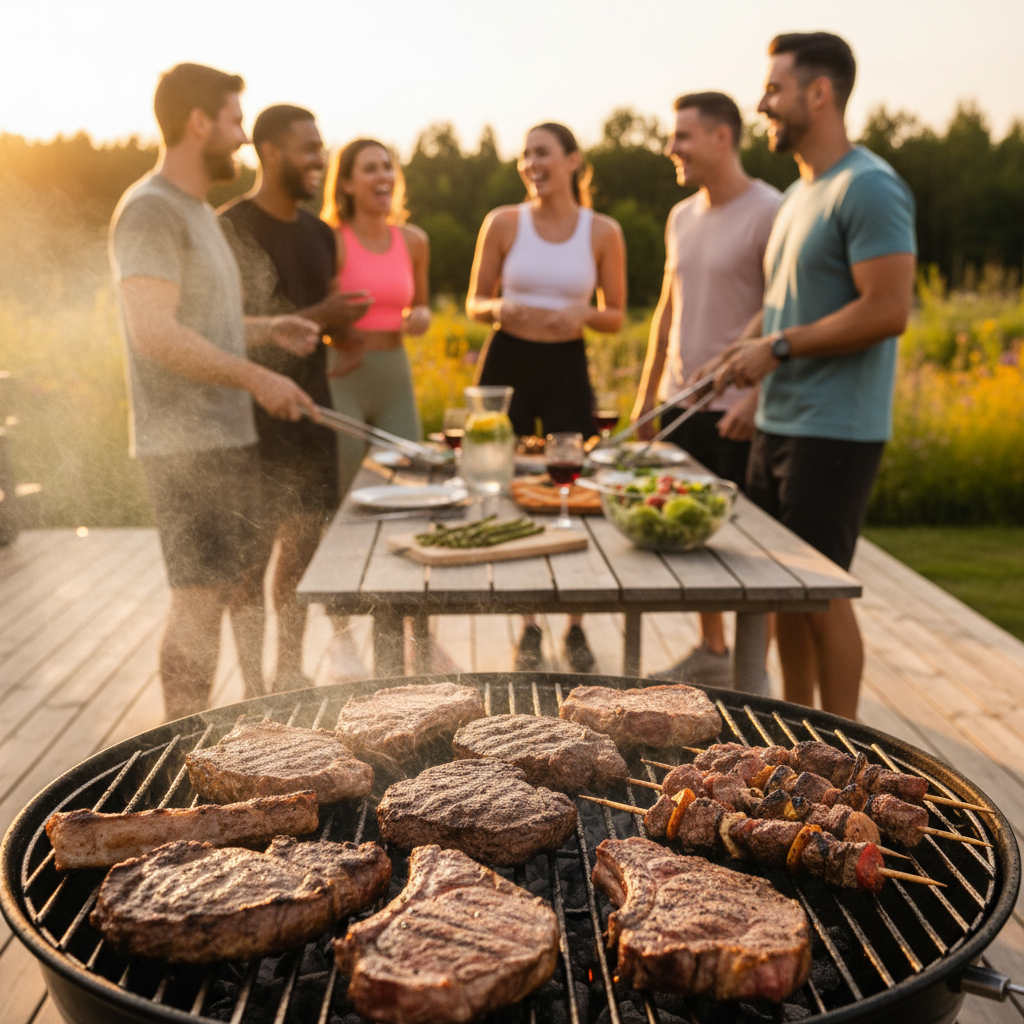
Imagine firing up the grill on a sunny afternoon, the sizzle of premium steaks filling the air, and the aroma of seared ribs drawing everyone together. Hosting a carnivore BBQ is a dream for meat lovers, but what if your guest list includes vegetarians, vegans, or just picky eaters? Fear not—this guide will show you how to pull off an epic carnivore-focused barbecue that keeps everyone happy, satisfied, and coming back for more. We'll cover everything from thoughtful planning and smart meal-prep to inclusive dining strategies, ensuring your event is a resounding success without compromising your carnivore principles.
Planning Your Carnivore BBQ: Start with the Basics
Success begins with preparation. A well-planned carnivore BBQ sets the tone for a seamless day of grilling and gathering. The key is to anticipate needs, especially when diets vary, turning potential awkwardness into effortless hospitality.
Assess Your Guest List and Dietary Needs
Before buying a single ribeye, survey your guests. Send a casual poll via text or email: 'Meat feast ahead—any dietary restrictions?' This simple step reveals vegans, gluten-free folks, or allergies. Categorize guests into carnivores, flexitarians, and plant-based to tailor your approach. For 10-15 people, aim for 1-1.5 pounds of meat per carnivore guest, plus alternatives for others.
- Tip: Use tools like Google Forms for quick RSVPs with diet checkboxes.
- Plan for 20% of guests to be non-carnivore—better to overprepare than scramble.
- Consider group size: Small gatherings (under 10) allow customization; larger ones need scalable options.
Craft Inviting Themes and Timelines
Theme your BBQ as 'Carnivore Paradise with Options for All' to set expectations. Schedule: Guest arrival 4 PM, grilling starts 5 PM, eating by 6 PM. This gives time for meal-prep reveals and mingling. Pro tip: Host mid-afternoon to avoid dinner conflicts, keeping it light and fun.
Budget wisely—50% on meats, 20% on non-carnivore options, 30% on drinks and setup. Total for 12 guests: $200-300, depending on meat quality.
Selecting the Best Meats: Quality Over Quantity
The heart of any carnivore BBQ is the meat. Choose cuts that grill beautifully, offer variety, and wow palates. Focus on grass-fed, pasture-raised options for superior flavor and nutrition, aligning with carnivore diet principles.
Essential Cuts and Quantities
Stock a diverse lineup:
- Steaks: Ribeye (marbled, juicy), New York strip (lean, bold), flank (versatile for skewers). 8-12 oz per person.
- Burgers and Sausages: Grass-fed beef patties, chorizo, or bratwurst for quick cooks.
- Ribs and Chicken: Baby back ribs (slow-smoke), bone-in thighs (crispy skin).
- Exotics: Lamb chops or venison for adventure.
Proportions: 40% steaks, 30% burgers/sausages, 20% ribs, 10% poultry/organ meats. Buy from local butchers or farms for freshness—order 24-48 hours ahead.
Sourcing and Storage Tips
Shop at places like US Wellness Meats or local co-ops. Look for marbling, color, and minimal packaging. For meal-prep, portion meats into zip bags labeled by cook time. Freeze extras; thaw overnight in the fridge. This ensures peak quality on BBQ day.
Actionable advice: Create a shopping list template. Example for 12 guests: 12 ribeyes, 3 lbs ground beef, 4 racks ribs. Cost-saving hack: Buy whole packer brisket and trim yourself.
Meal-Prep Mastery: Save Time and Stress
Meal-prep is your secret weapon for a carnivore BBQ. Dedicate 2-3 hours the day before to marinate, season, and organize, freeing you to enjoy the party.
Step-by-Step Prep Guide
- Trim and Season: Pat meats dry, apply salt (1 tsp per lb), pepper, and optional rubs (garlic powder, smoked paprika). Skip sugary marinades to stay carnivore-pure.
- Marinate Strategically: Steaks: 30 mins olive oil + herbs. Ribs: Overnight dry rub. Refrigerate in single layers.
- Portion for Grilling: Skewer veggies-free meats; form patties. Label trays: 'High-heat steaks,' 'Low-slow ribs.'
- Non-Carnivore Prep: Grill-friendly salads or grilled veggies in foil packets.
Tools for Efficiency
Invest in meat thermometers, tongs, and chafing dishes. Use a cooler with ice packs for transport. Prep checklist ensures nothing's forgotten—print and check off.
Benefits: Reduces on-site chaos, improves flavors (salt draws moisture for better sear), and allows focus on dining vibes.
Grilling Techniques: Cook Like a Pro
Master fire and heat for carnivore perfection. Whether charcoal, gas, or smoker, control is key.
Setup and Heat Zones
Create zones: Hot (direct, 450-550°F for sear), medium (indirect, 300-400°F for ribs), cool (resting). Charcoal: Bank coals; gas: Adjust burners.
- Steaks: Sear 4 mins/side to 130°F (medium-rare). Rest 5 mins.
- Burgers: 5-6 mins/side, 160°F internal.
- Ribs: 3-2-1 method: 3 hrs smoke, 2 hrs wrapped, 1 hr unwrapped.
Pro Tips for Flavor
Wood chips (hickory, mesquite) for smoke. Baste with tallow or butter. Avoid flipping too often. Use infrared thermometer for precision.
Common mistakes: Overcrowding grill, no rest time. Practice run: Grill a test steak mid-week.
Accommodating Non-Carnivore Guests Gracefully
Inclusivity elevates your host status. Offer options without diluting the carnivore theme.
Simple, Appealing Alternatives
- Grilled Veggies: Zucchini, peppers, mushrooms—oil, salt, grill alongside meats.
- Salads: Cucumber-tomato with olive oil (carnivore-adjacent).
- Plant-Based Burgers: Beyond Meat patties on separate grill zone.
- Cheese/Seafood: Halloumi skewers, shrimp for pescatarians.
Present separately: 'Carnivore station' vs. 'Garden grill.' Educate lightly: 'Try the ribeye—it's life-changing!' No pressure.
Communication and Sensitivity
Pre-inform: 'Meat-heavy but options available.' During event, check in: 'Everything good?' This builds goodwill.
Elevating the Dining Experience
Great food shines with ambiance. Focus on dining flow for memorable gatherings.
Setup and Presentation
Buffet-style: Meats on platters with tongs, garnished with herbs. Eco-plates, cloth napkins. Drinks: Water, sparkling, bone broth, beer/wine.
- Playlists: Upbeat BBQ tunes.
- Seating: Picnic tables or yard games.
Pairings and Desserts
Carnivore drinks: Keto cocktails. 'Dessert': Cheese board or bacon-wrapped dates (minimal fruit).
BBQ Day Essentials: Safety, Flow, and Cleanup
Smooth execution prevents mishaps.
Safety First
- Fire extinguisher nearby, kids away from grill.
- Food safety: Chill meats below 40°F, cook to temps.
- Allergies: Label clearly.
Timeline and Cleanup Hacks
Delegate: Friend flips burgers, another mixes drinks. Cleanup: Foil trays, disposable grates.
Post-BBQ: Leftovers into meal-prep containers for guests.
Conclusion: Grill On, Inclusively
Hosting a carnivore BBQ without offending guests is about balance—bold meats, smart prep, and genuine care. With these strategies, you'll create raves-worthy dining experiences that unite everyone. Next time, fire up that grill confidently. Your carnivore feast awaits—bon appétit!
FAQs
(Note: FAQs to be rendered separately, but included here for completeness.)
Frequently Asked Questions
Related Glossary Terms
Join the Community
Weekly recipes & tips

Join the Carnivore Community
Get weekly recipes, tips, and success stories delivered to your inbox.
No spam, ever. Unsubscribe anytime.